
🧩 Fragments from the unknown
Why the Black Dahlia Murder Still Has No Answer
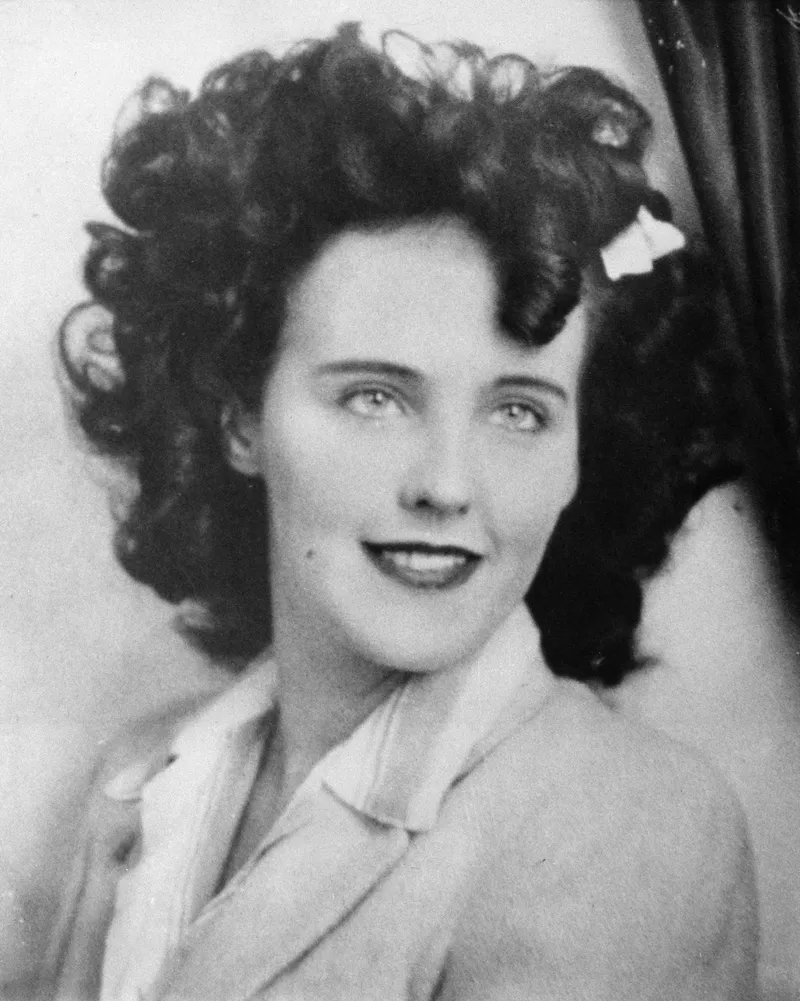
- What: The article describes the 1947 murder of Elizabeth Short, known as the Black Dahlia case, and explains why it remains unsolved despite decades of investigation and publicity.
- Where: Los Angeles, California.
- When: January 1947, with the case enduring in public memory afterward.
In January 1947, the body of Elizabeth Short was found in a vacant lot in Los Angeles. She was 22 years old. The crime quickly drew intense attention, and the press gave her a name that would outlast almost every confirmed fact in the case: the Black Dahlia.
The Crime and Publicity
What investigators faced was not just a homicide, but a case immediately distorted by publicity. The condition of Short’s body became part of the national story, and coverage often blurred the line between reporting and spectacle. That attention helped make the murder famous, but it did not make it easier to solve.
Over the years, police examined a long list of leads and suspects. The case drew confessions, rumors, and repeated claims of insider knowledge. Yet public fascination created its own problem: the more notorious the murder became, the more noise surrounded it. Serious investigative work had to compete with false tips, media pressure, and theories that often reached further than the evidence could support.
Why the Case Remains Unsolved
That gap between attention and proof is one reason the Black Dahlia case has endured. It is often discussed as if a hidden answer is just out of reach, but the record is far less satisfying. Despite decades of speculation, no conclusive evidence has established who killed Elizabeth Short. Theories have ranged widely, including claims about a lone sadistic killer and alleged links to powerful Los Angeles circles, but none has closed the case.
The murder remains one of the most famous unsolved cases in American history not only because of its brutality, but because it sits at the intersection of crime, media, and myth. Books, films, and documentaries have kept the story in circulation, often revisiting the same question with different suspects and no final resolution.
Legacy of the Black Dahlia
What remains, after the headlines and retellings, is a woman whose killing was never solved. The Black Dahlia case still stands as a test of how much public attention can obscure as much as it reveals.
Did You Know?
The nickname “Black Dahlia” was popularized by the press and became far better known than Elizabeth Short’s actual name.