
⚙️ Traces from the dawn of innovation
The Uncanny Valley: Why We Dislike Almost-Human Robots
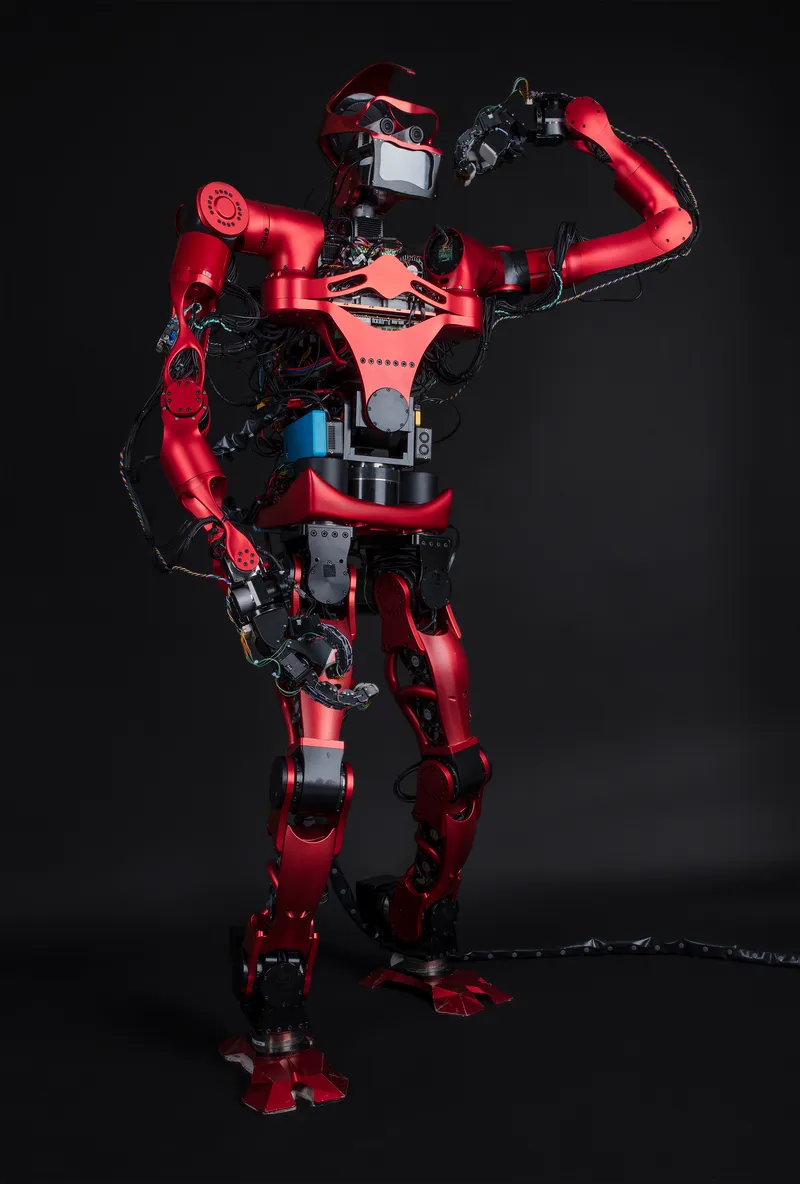
- What: The uncanny valley hypothesis explains the discomfort people feel towards robots or CGI characters that are almost, but not quite, human-like.
- Where: Not specified.
- When: 1970s, when the hypothesis was proposed.
Imagine a robot that looks almost like a human, but something feels off. This is the essence of the uncanny valley hypothesis.
Proposed by Japanese roboticist Masahiro Mori in the 1970s, it suggests that as robots or CGI characters become more human-like, our affinity for them increases—until they reach a point where they look almost human, but not quite.
At this stage, our comfort drops sharply, leading to feelings of eeriness or disgust. But why does this happen? The reasons are still debated among scientists and psychologists.
Some claim it’s a survival instinct; our brains may be hardwired to detect subtle abnormalities that signal disease or death. Others argue it’s about social connection—when a robot or character fails to meet our human expectations, it creates a sense of discomfort.
Real-world examples abound, from lifelike androids to animated films. Movies like "The Polar Express" and characters like Sophia the robot illustrate this phenomenon. They intrigue us but also leave us unsettled.
As technology advances, understanding the uncanny valley becomes crucial for designers and creators. Bridging this gap to create characters that resonate without triggering discomfort is a significant challenge.
Did You Know?
The term "uncanny valley" is widely attributed to Masahiro Mori from a 1970 essay often translated as "The Uncanny Valley," which has since influenced fields beyond robotics, including psychology and animation.