
🛍️ Artifacts of human ingenuity
Why Lens Choice Matters for Canon EOS Autofocus in Low Light
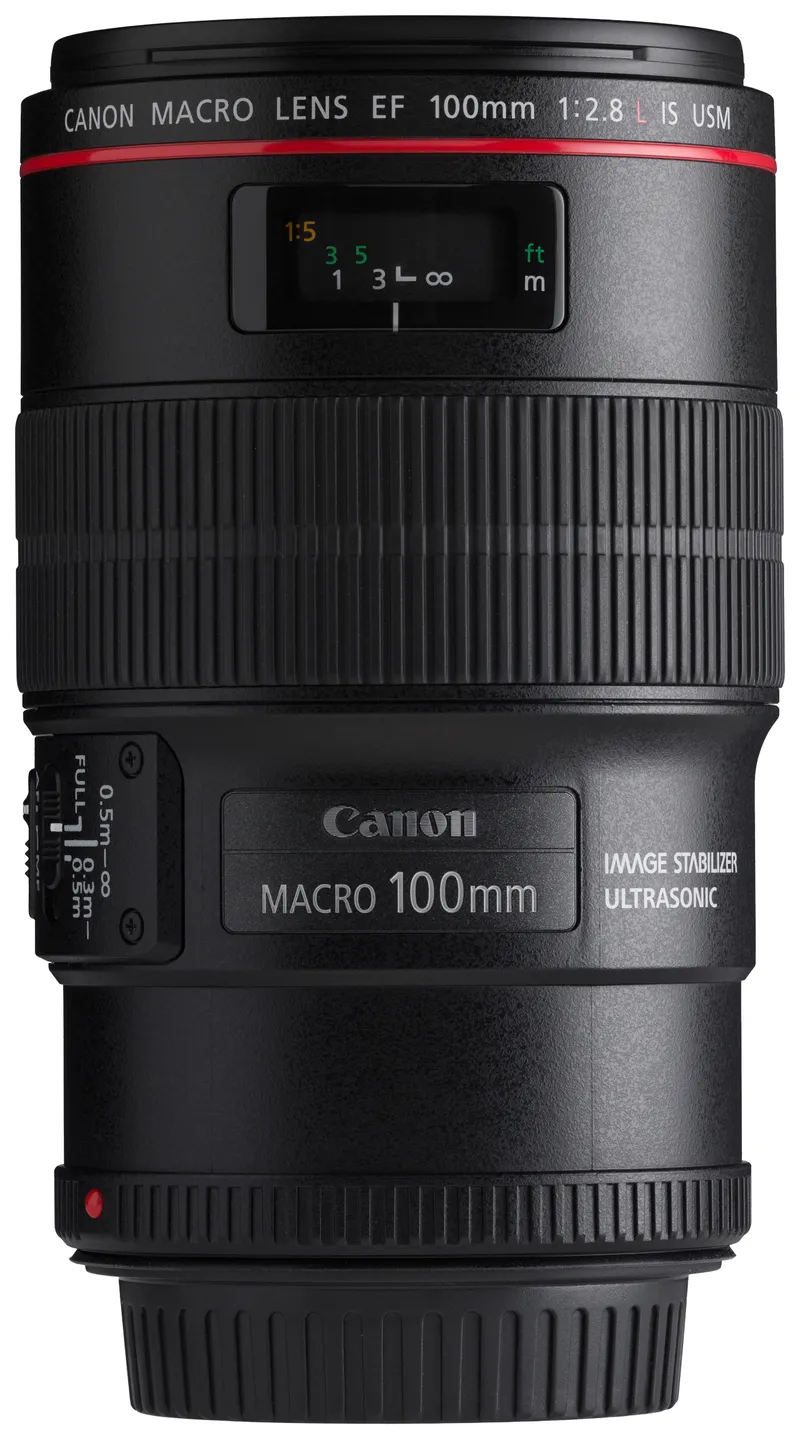
- What: Canon EOS low-light autofocus depends on both the camera body and the lens, and a wider maximum aperture can help the AF system lock more reliably in dim scenes.
- Where:
- When:
Low-light autofocus is not only about the camera body. On a Canon EOS DSLR, the lens plays a large part in whether autofocus locks cleanly or starts to hunt.
Lens Aperture and Autofocus Light
The reason is straightforward: autofocus depends on light. A lens with a wider maximum aperture sends more light through the system, giving the camera’s autofocus sensor more to work with. A slower lens, marked by a higher f-number, passes less light. In bright conditions, that may not matter much. In a dark venue, it can be the difference between a quick lock and repeated searching.
Why Canon EOS Focus Hunts in Low Light
This is where a common assumption falls apart. When focus struggles in dim light, it is easy to blame the camera alone. But autofocus performance depends on the body and the lens together. Even a capable EOS body can be limited by a lens that does not deliver enough light for the autofocus system to operate at its best.
A concert is a clear example. The stage may look bright to your eyes, but from the camera’s perspective the scene can still be uneven and relatively dark, with deep shadows and fast movement. Mount a fast lens, and autofocus has a better chance of finding and holding the subject. Switch to a slower lens, and the same camera may hesitate or fail to lock at all, especially when contrast is low.
Choosing a Fast Lens for Dim Scenes
That does not mean a fast lens guarantees perfect focus, or that every slow lens becomes unusable after sunset. Autofocus also depends on subject contrast and the sensitivity limits of the camera’s AF system. But lens aperture directly affects how much light reaches that system, which is why it matters so much when conditions get difficult.
For Canon EOS shooters, the practical point is simple: low-light autofocus is a system-level issue, not a body-only spec. If focus reliability matters in dim scenes, maximum aperture is not just an exposure feature. It is part of how well the camera can focus in the first place.
Did You Know?
Many Canon DSLR autofocus systems use a separate phase-detection AF sensor, rather than the main imaging sensor, to judge focus.