
🫀 Secrets of the human vessel
Chronic Pain Can Become a Learned Brain Pattern-and It May Be Retrainable
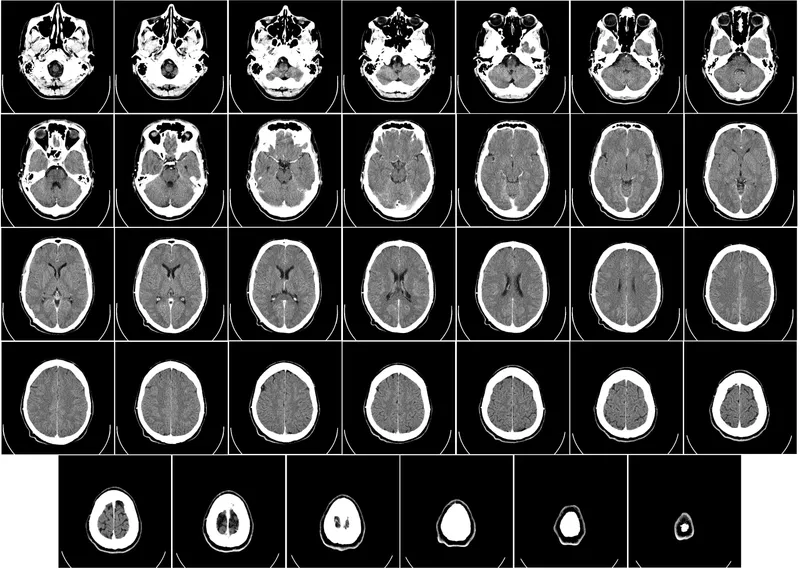
- What: The article explains that chronic pain can involve learned brain and nervous-system patterns, and that CBT may help reduce pain by changing thoughts, attention, anticipation, and coping.
- Where:
- When:
Chronic pain is often treated as a problem that starts and ends in the body. But when pain lasts for months or years, the brain can become part of the story too. Neural pathways involved in pain signaling can become more established over time, which may help explain why pain sometimes persists even after the original injury has healed.
That does not mean the pain is imagined. It means the nervous system can become unusually good at producing and anticipating pain. The same brain feature that allows people to learn new skills and adapt after injury—neuroplasticity—can also reinforce chronic pain patterns. In some cases, that adaptability may work in the other direction as well.
How the Brain Learns Pain
One of the more studied examples is cognitive behavioral therapy, or CBT. Rather than targeting pain through willpower, CBT works on the thoughts, expectations, and responses that can amplify distress and keep pain circuits active. Research has linked CBT with changes in how the brain processes pain, and participants in multiple studies have reported reductions in pain after treatment.
The important distinction is that CBT does not erase pain by pretending it is psychological. It aims to change the broader system around pain perception: fear, attention, anticipation, and coping. For some people, that shift appears to reduce the intensity of pain or change how intrusive it feels in daily life.
CBT and Pain Processing
A common misconception is that if the brain is involved, the pain is somehow less real. Chronic pain research points in the opposite direction. The brain is where pain is processed, and long-term pain may reflect both physical injury and learned neural habits. That makes the condition more complicated, not less legitimate.
There is no miracle reset here, and neuroplasticity is not a guarantee of relief. But it does suggest something clinically useful: persistent pain may not be completely fixed in place. If the brain can help maintain chronic pain, there are cases where it may also be trained to respond differently.
Did You Know?
CBT is also used for conditions such as anxiety and insomnia, not just pain.