
🕯️ Notes from the casefile
How DNA and Genetic Genealogy Finally Solved the East Area Rapist Case
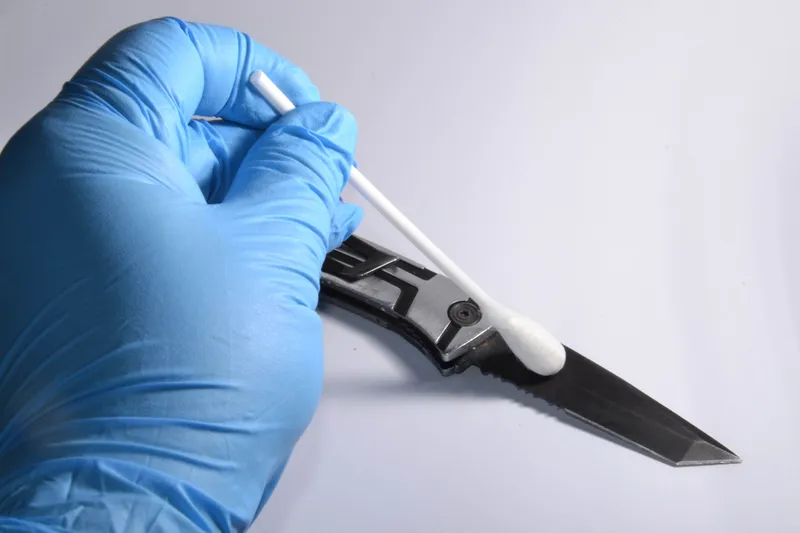
- What: California’s East Area Rapist case was tied together by DNA in 2001 and, in 2018, genetic genealogy led to the identification of Joseph DeAngelo.
- Where: California
- When: Late 1970s to 2018
For years, the East Area Rapist case sat among California’s most disturbing unsolved crimes. In the late 1970s and early 1980s, a series of attacks left victims with lasting trauma and investigators with little to identify the man responsible. More than 50 assaults were eventually tied to the same offender, but for decades the case remained open.
DNA Links the East Area Rapist Cases
A major shift came in 2001, when preserved DNA evidence was used to connect crimes that had long been discussed under different labels. The biological evidence did not immediately produce a name, but it changed the case from a loose pattern of fear into a single investigation with a confirmed forensic link. That mattered. It meant the suspect had not simply vanished into rumor or conflicting witness accounts. He had left something measurable behind.
Genetic Genealogy Identifies a Suspect
The decisive break came much later. In 2018, investigators used genetic genealogy to narrow the search, tracing family connections through DNA and moving toward a suspect who had not been identified through traditional leads. That process led to Joseph DeAngelo, ending one of the state’s most closely watched cold-case hunts.
What the Arrest Changed
The significance of the arrest was not just that an old case had been solved. It showed how older evidence could gain new meaning when forensic tools changed. The DNA had existed for years. What changed was the ability to compare it in ways that earlier investigators could not. In that sense, the case was solved by time as much as persistence: evidence preserved in one era, interpreted in another.
There is no clean ending to a case like this. An arrest decades later does not erase what happened or compress the years victims spent waiting. But it did alter the terms of the story. The East Area Rapist case was no longer defined only by what investigators failed to prove in real time. It also became a case study in how cold cases can reopen when old evidence meets new methods, and how decisions to preserve that evidence can shape justice years after the crimes themselves.
Did You Know?
Joseph DeAngelo later pleaded guilty in 2020 to multiple murders and other crimes connected to the same case.