
🧪 Echoes from the lab
How Crystals Generate Electricity Through Stress
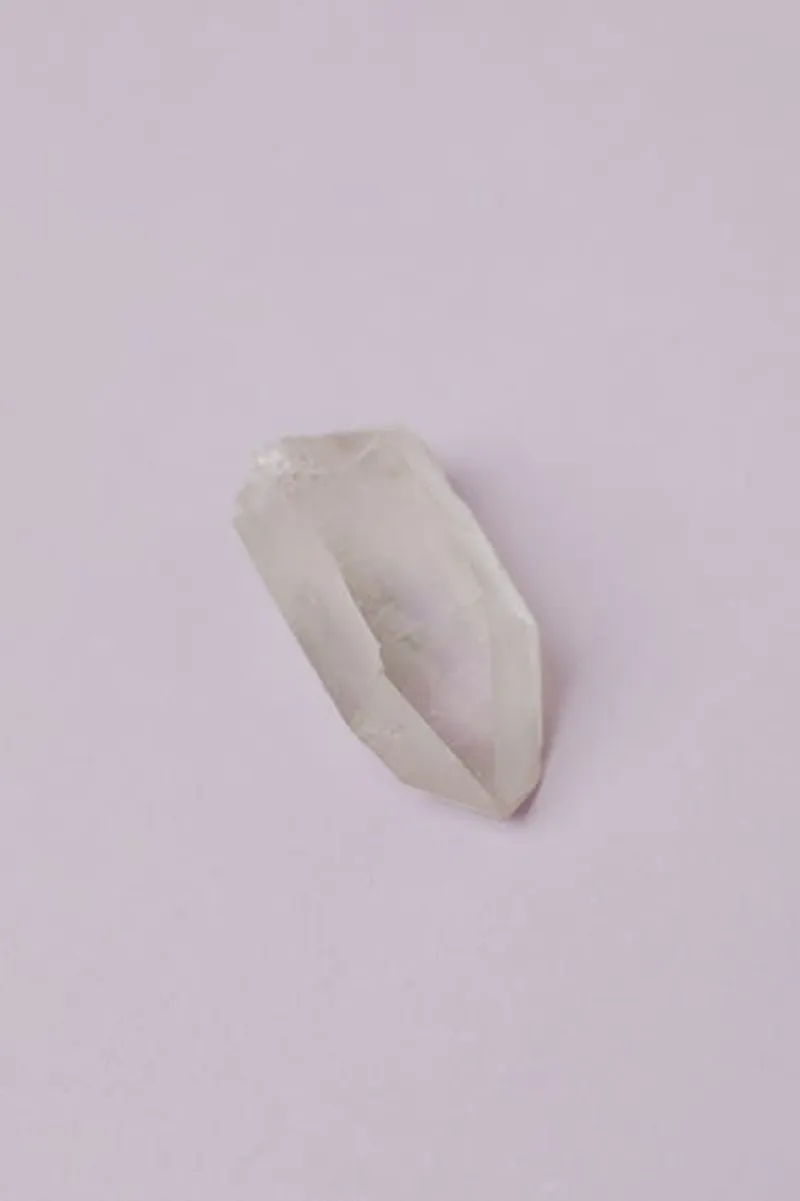
- What: The piezoelectric effect allows certain crystals to generate electric charge when stressed, with applications in various technologies.
- Where: In many devices, including medical equipment and automotive sensors.
- When: Discovered in 1880.
Imagine a world where crystals could power your devices simply by being squeezed. This isn’t science fiction; it’s the piezoelectric effect, discovered by the Curie brothers in 1880.
When certain crystals, like quartz, are stressed along specific orientations, they generate an electric charge. This phenomenon occurs because the crystal lattice structure changes under pressure, displacing electrical charges and creating voltage.
Applications of the piezoelectric effect are everywhere. From microphones to the sensors in modern cars, this technology is crucial. Even in medical devices, piezoelectric materials play a role in ultrasound imaging, converting sound waves into electrical signals.
But why does this matter? As we move towards renewable energy, understanding and utilizing the piezoelectric effect could lead to innovative energy solutions, harnessing the power of movement and pressure in our daily lives.
A crystal could be more than just a pretty rock; it might be a tiny power generator waiting for the right moment to shine.
Did You Know?
Some piezoelectric materials can also be used to harvest energy from vibrations in the environment, contributing to energy-efficient technologies.