
🚀 Whispers from the silent cosmos
NASA's Artemis Program Is Designed for More Than a Moon Landing
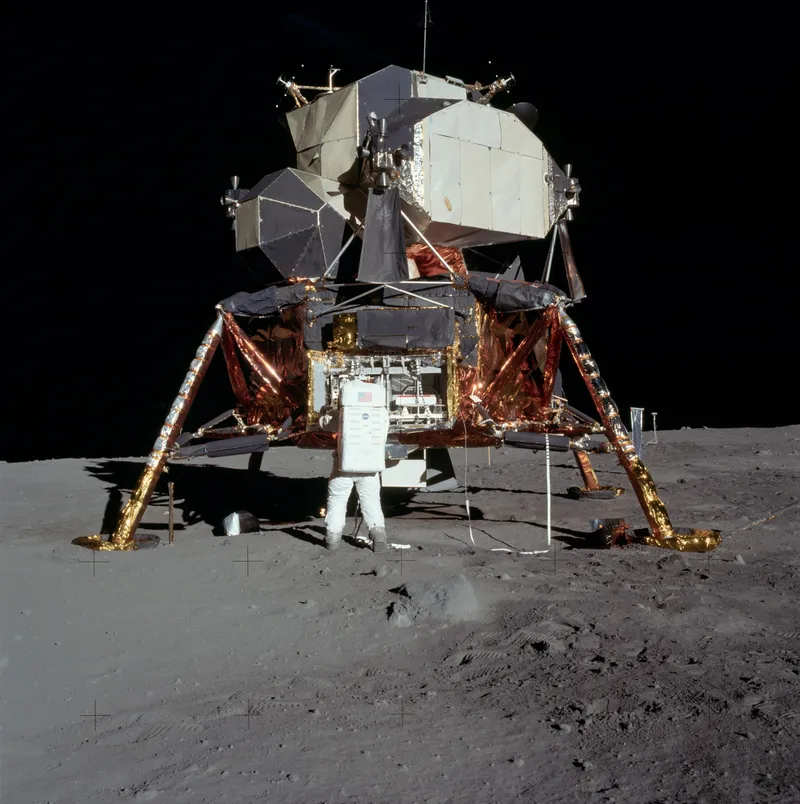
- What: NASA’s Artemis program is designed to enable repeated lunar missions, a sustained human presence on the Moon, and future deep-space exploration.
- Where: The Moon and lunar orbit.
- When: Beginning with Artemis I in late 2022 and continuing through planned crewed missions.
NASA’s Artemis program is often described as the effort that will bring astronauts back to the Moon. But the larger idea is more practical than symbolic: Artemis is being built around the question of how people could stay there, work there, and return regularly rather than treat the lunar surface as a one-time destination.
Artemis Base Camp Concept
That shift is clear in NASA’s Artemis base camp concept, which frames the Moon as a place for repeated operations instead of brief visits. The goal is not simply to land astronauts, but to support a sustained human presence over time. In that sense, Artemis is less a single mission than a long-term framework for living and working in deep space.
A key part of that architecture is the lunar lander that would carry astronauts from lunar orbit down to the surface and back. NASA’s approach relies in part on commercially developed systems, reflecting a broader change in how major space missions are organized. Rather than build every piece the traditional way, the agency is leaning on partnerships with private companies for critical hardware.
Artemis I and Mission Testing
The program’s first major test, Artemis I, launched an uncrewed spacecraft around the Moon in late 2022. That mission did not put anyone on the surface, but it showed that the broader system could be sent out and brought back on a lunar flight. It was the kind of step a program like Artemis depends on: not dramatic on its own, but necessary if the Moon is going to become a place people can reach more than once.
The next phase is expected to include crewed flights, including Artemis II. Exactly when astronauts will return to the lunar surface depends on how the remaining pieces come together, including the lander and other mission systems. That uncertainty is part of the story. Artemis is trying to do something more durable than a repeat landing, and durable space projects tend to move through testing, revision, and delay.
Beyond a Single Moon Landing
If the program works as intended, the result will not just be another Moonwalk. It will be a new operating model for exploration: crews traveling to the Moon through a system designed to support repeated missions, longer stays, and eventually the habits required for sending humans farther out, including toward Mars.
Did You Know?
Artemis is named after the Greek goddess of the Moon and Apollo’s twin sister.