
🫀 Secrets of the human vessel
Why Waiting for Surgery Can Make Pain Feel Worse
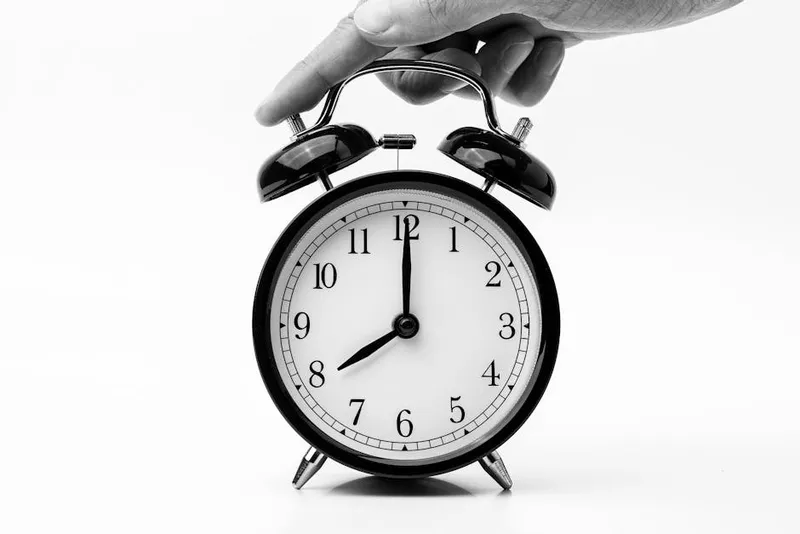
- What: The article says that anticipation and attention before surgery can make pain feel stronger, not just the procedure itself.
- Where: Pre-surgery settings, such as a waiting room.
- When: Before surgery.
Time does not just organize a medical visit. It can change how pain is felt.
Research suggests that the period before surgery matters because anticipation can shape pain perception. When people focus on the minutes leading up to a procedure, attention narrows. The mind starts tracking discomfort, expected pain, and bodily signals more closely. That can make pain feel stronger than it otherwise would.
The key point is not simply that patients are nervous. Anxiety is part of the picture, but so is attention. Watching the clock, mentally counting down, and rehearsing what might happen next can pull pain into the foreground. Instead of pain being only a response to what the body is experiencing, it is also filtered through expectation.
Anticipation and pain perception
That helps explain a common misunderstanding about pain before surgery. People often assume the pain they feel is only about the procedure itself or the underlying condition. In practice, the lead-up can matter too. The brain does not wait passively for an event to begin. It prepares, predicts, and sometimes amplifies.
Waiting room attention
A waiting room is a simple example. Two patients may face the same procedure, yet their experience of discomfort may differ depending on where their attention settles. One becomes fixed on time passing and on what is about to happen. Another is more distracted or less focused on the buildup. The procedure has not changed, but the felt intensity may.
Why timing matters before surgery
This does not mean pain is imaginary, or that people can think it away. It means pain perception is influenced by context, including timing and anticipation. That distinction matters because it avoids reducing a real physical experience to mere nerves while still recognizing that the brain helps shape what pain feels like.
The practical implication is fairly plain. In pre-surgery settings, managing attention may be almost as relevant as managing fear. If clock-watching and countdown thinking sharpen pain, then reducing that fixation could help soften the experience around a procedure, and possibly affect how strongly pain is felt afterward.
Did You Know?
The brain can change how pain is processed through descending pain pathways, which can either dampen or amplify pain signals.