
🏺 Recovered from the dusty archives
Chauvet Cave Paintings: Ancient Art with Scientific Precision
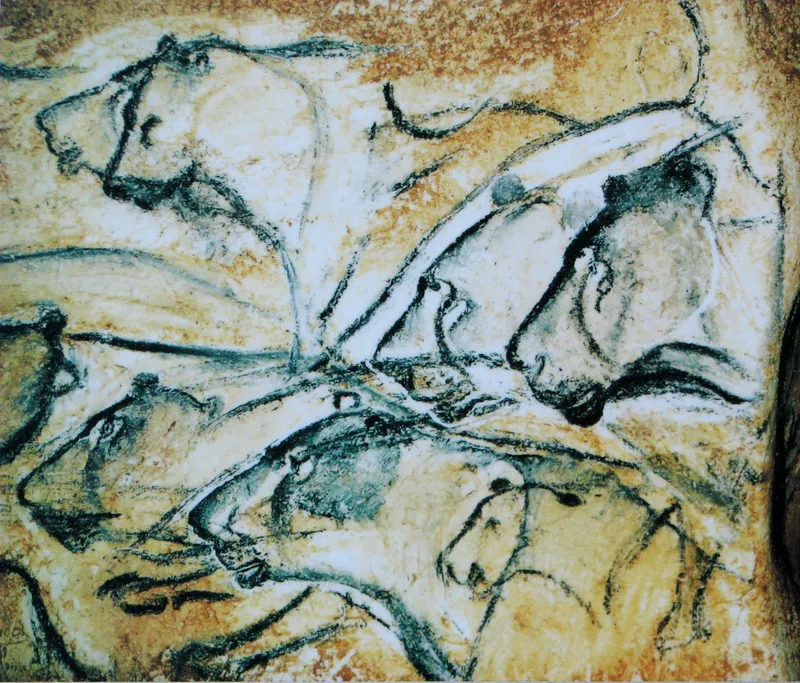
- What: The Chauvet Cave in France features remarkable prehistoric animal paintings that demonstrate advanced artistic skills and observation of anatomy.
- Where: Ardèche region of France
- When: Over 30,000 years ago
Deep in the Ardèche region of France lies the Chauvet Cave, a marvel of prehistoric artistry dating back over 30,000 years.
Its walls are adorned with stunning animal paintings, showcasing a level of detail and motion that astonishes even modern scholars.
Researchers suggest these ancient artists meticulously observed animal anatomy, capturing realistic motion that many consider exceptional among cave paintings of their time.
Some argue that these artworks reflect a near-scientific understanding of their subjects, revealing a sophisticated level of observation.
The grace of these creatures—horses, lions, and bears—seems to leap off the walls, as if they were alive and moving.
Was this artistry merely decorative, or did it serve a deeper purpose in the lives of those who created it?
As we delve into the artistry of the Chauvet Cave, we uncover not just a gallery of ancient life but also a glimpse into the minds of our distant ancestors.
Did You Know?
The Chauvet Cave is one of the oldest known sites of prehistoric art, and it was discovered in 1994, leading to significant insights into early human creativity.