
🫀 Secrets of the human vessel
When COVID Lowered Oxygen Before Patients Felt It
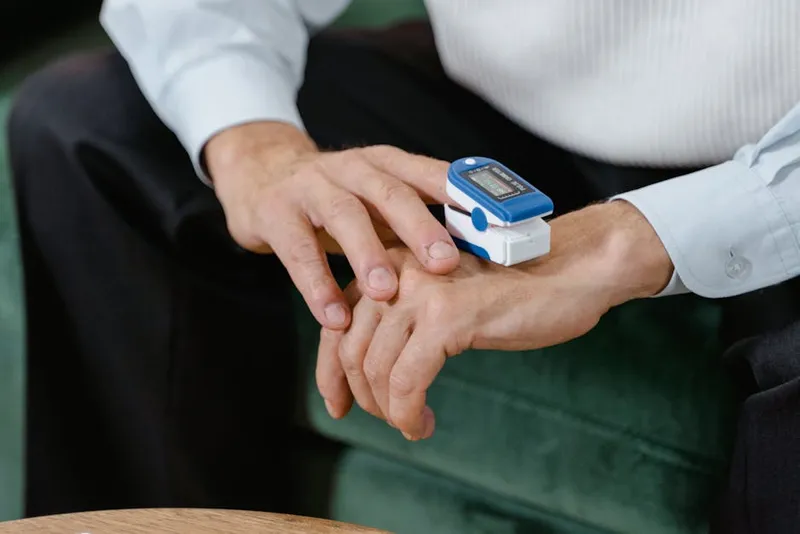
- What: The article explains how COVID-19 sometimes caused silent hypoxia, where patients had dangerously low blood oxygen levels despite appearing relatively comfortable, which changed how clinicians assessed and monitored them.
- Where: In ambulances, emergency departments, temporary triage settings, and at home.
- When: During the COVID-19 pandemic.
One of the stranger clinical patterns seen during the COVID-19 pandemic was a mismatch between how a patient looked and what their oxygen levels showed. Some people had oxygen saturation readings that were dangerously low, yet they were still awake, talking, and not describing the level of breathlessness clinicians would normally expect.
This was often called silent or cryptic hypoxia. The term matters because it challenged a basic assumption in frontline care: that severe oxygen loss would usually be obvious. With COVID, that was not always true. A patient could seem relatively comfortable while their blood oxygen had already dropped to a level that needed urgent attention.
Silent Hypoxia in COVID
That gap between appearance and physiology changed practice. In ambulances, emergency departments, and temporary triage settings, checking oxygen saturation became a more important part of assessment. Staff could not rely only on how distressed someone sounded or whether they were struggling to finish a sentence. A pulse oximeter could reveal a problem that conversation alone might miss.
The issue also helped drive interest in home monitoring. The logic was straightforward: if oxygen levels could fall before a person felt obviously short of breath, then waiting for symptoms alone might delay treatment. Programmes such as COVID oximetry at home were built around that concern, giving some patients a way to track readings outside hospital and flag deterioration earlier.
Why Oxygen Levels Mattered
The exact reasons behind silent hypoxia were, and in some respects remain, an area of investigation. What became clear during the pandemic, though, was the practical consequence. COVID was not always a disease that announced worsening illness in the usual way. In some cases, the warning sign was a number on a monitor before it was a sensation in the chest.
That was the misconception the pandemic forced clinicians to drop. Feeling reasonably well did not always mean breathing was safe. In COVID care, objective measurement became part of the story, not just a backup to symptoms. That shift in thinking shaped triage, home follow-up, and decisions about when a patient needed a closer look.
Did You Know?
Pulse oximeters estimate oxygen saturation by shining light through the skin, usually on a fingertip.