
🎭 Fragments from the heart of civilization
Why the Okina Mask in Noh Is Treated as More Than Stage Property
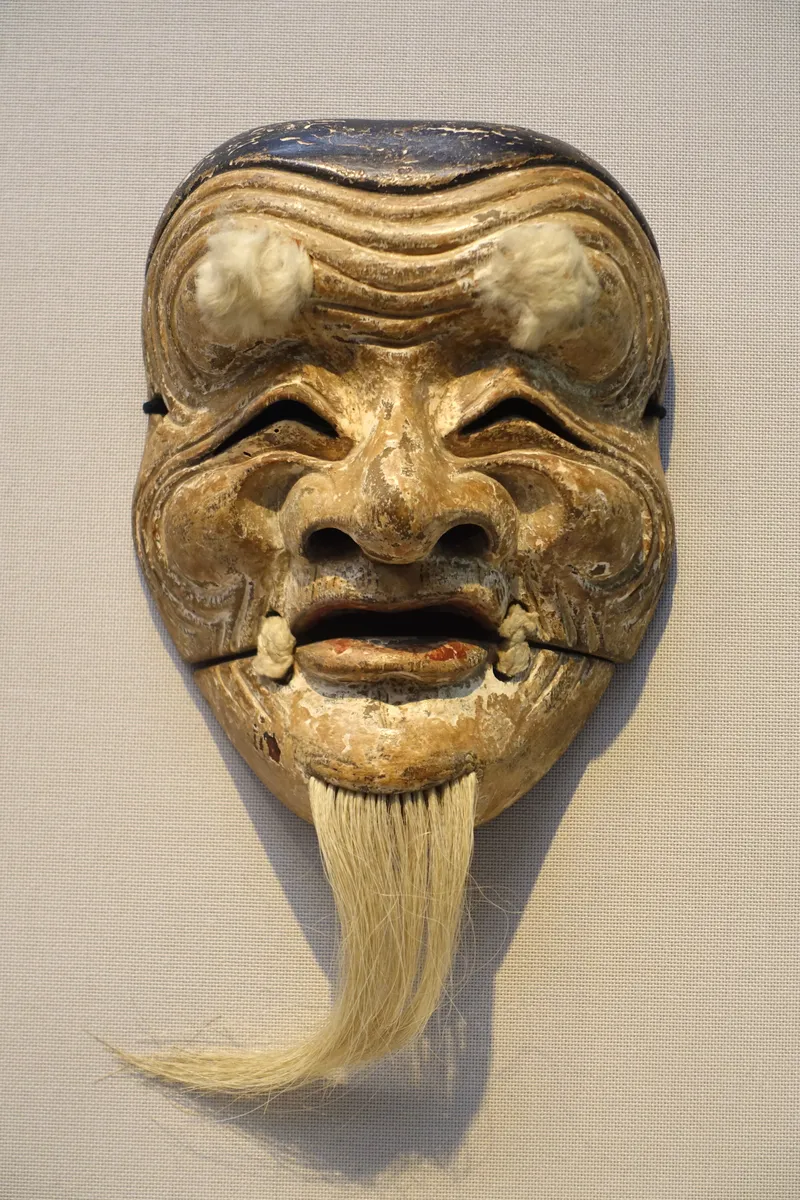
- What: The Okina mask in Noh is treated as a ceremonially charged object, reserved for senior actors and typically handled with purification rites rather than ordinary backstage practice.
- Where: On the Noh stage and in its backstage ritual context.
- When: In traditional Noh performance practice.
In Noh, the Okina mask is not handled like an ordinary piece of costume or stage equipment. It belongs to a category with ceremonial weight, and that difference shapes how performers approach it before an audience ever sees it.
Ceremonial Status of the Okina Mask
One clear sign is who is allowed to wear it. Traditionally, the Okina mask is entrusted to the most senior actors, and its handling is typically preceded by purification rites. That places it outside routine backstage practice. The point is not simply respect for an old object or admiration for fine craftsmanship, though both may matter. What sets the mask apart is that its use is governed by formal conduct more often associated with ritual than with theatrical preparation.
More Than a Dramatic Tool
That distinction also helps explain a common misunderstanding. It can be tempting to treat every Noh mask as a dramatic tool that helps an actor become a character. Okina is different. In Noh, it has long been regarded not as a role in the ordinary dramatic sense, but as a performance with ceremonial status. The mask is central to that status. It is not merely representing age or expression onstage; it marks the work itself as something set apart.
Why the Distinction Matters
The result is a form of theater in which one object can carry more than aesthetic value. The Okina mask functions within a living tradition where artistic performance and formal observance still overlap. That is why descriptions of it often sound different from descriptions of other masks: the language around it is less about props and more about proper handling, eligibility, and ritual context.
Seen in that light, the Okina mask is important not because it is unusually famous, but because it shows how Noh preserves distinctions modern audiences might not expect. On a Noh stage, not everything that looks like theatrical equipment is treated as theatrical equipment. Okina remains a case where performance practice still recognizes an object as ceremonially charged, not just useful for the scene.
Did You Know?
The Okina piece is often performed as a blessing-like opening work, which is one reason it is treated with exceptional formality.