
🧪 Echoes from the lab
Antarctic Moss Resumed Growth After Roughly 1,500 Years in Permafrost
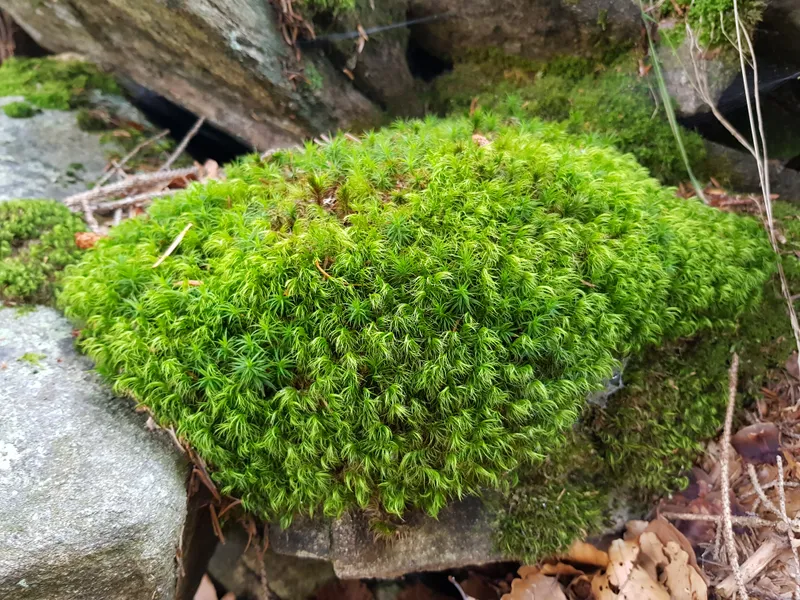
- What: Researchers found that Antarctic moss preserved in permafrost could resume growth after being frozen for about 1,500 years.
- Where: Antarctic permafrost.
- When: After roughly 1,500 years buried in ice-cold conditions.
Researchers studying moss preserved in Antarctic permafrost found that some of the material could grow again after being buried for roughly 1,500 years. The result is unusual not because the moss was perfectly intact, but because a multicellular plant resumed active growth after such a long period in deep freeze.
Thawing Moss Samples in Antarctica
The samples were collected from Antarctica and thawed under controlled laboratory conditions. Within weeks, scientists reported new shoots from moss that had been entombed in permafrost since late antiquity. That makes the finding one of the more striking examples of long-term survival in a polar plant.
How Moss Survives Extreme Cold
Mosses are already known for their tolerance of drying, freezing, and other environmental stress. Even so, the timescale matters here. The study pushed past common assumptions about how long plant tissue in extreme cold might remain viable, especially in one of the harshest landscapes on Earth.
What the Finding Means
The broader significance is less about spectacle than about biological limits. If some Antarctic moss can persist in a dormant state for centuries and still recover under the right conditions, then polar ecosystems may contain more latent resilience than expected. At the same time, that does not mean warming is harmless or that ancient communities simply reassemble once ice retreats.
What the work does offer is a clearer sense of how certain organisms endure long interruptions. For scientists trying to understand survival in permafrost, post-freeze recovery, and the long memory of cold-region landscapes, a small patch of revived moss is concrete and unusually durable evidence.
Did You Know?
Mosses do not have roots like most vascular plants; they absorb water and nutrients directly through their leaves and stems.