
🌿 Stories carved by wind and water
How Sable Island's Horses Find Water on a Dry, Wind-Scoured Island
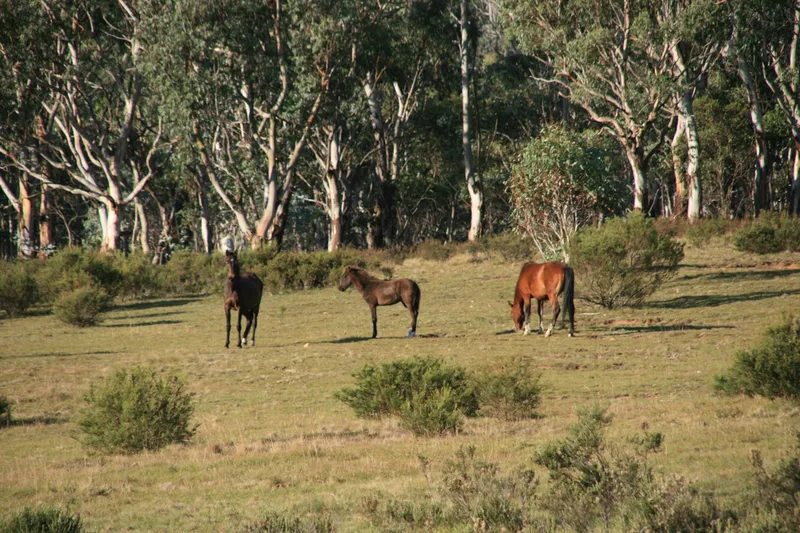
- What: Sable Island’s feral horses survive by adapting to scarce freshwater and harsh island conditions, including digging for shallow groundwater and sometimes tolerating brackish water.
- Where: Sable Island, a narrow sandy island exposed to strong winds.
- When:
Sable Island is a difficult place for a large grazing animal to live. The island is narrow, sandy, exposed to strong winds, and known for limited reliable fresh water. Yet its feral horses have persisted there by matching their behavior to those conditions.
Shallow Freshwater Lenses
One key strategy is simple and practical: the horses dig into the sand to reach shallow freshwater lenses below the surface. On an island surrounded by salt water, those buried pockets can mean the difference between a usable water source and none at all.
Brackish Water Tolerance
Reports also indicate that Sable Island’s horses can tolerate brackish water when necessary. That matters in a landscape where clean drinking water is not always easy to find and where conditions shift with weather and terrain.
Surviving a Harsh Island
The result is not a mystery so much as a close fit between animal and place. These horses survive because their habits and tolerance suit a windy, nutrient-poor island better than you might expect. Their presence is a reminder that survival in harsh environments often depends less on dramatic strength than on finding workable ways to use what is available.
Did You Know?
Sable Island is a protected Canadian national park reserve, known for its wild horses.