
🫀 Secrets of the human vessel
How a Peacekeeping Camp Helped Trigger Haiti's Cholera Outbreak
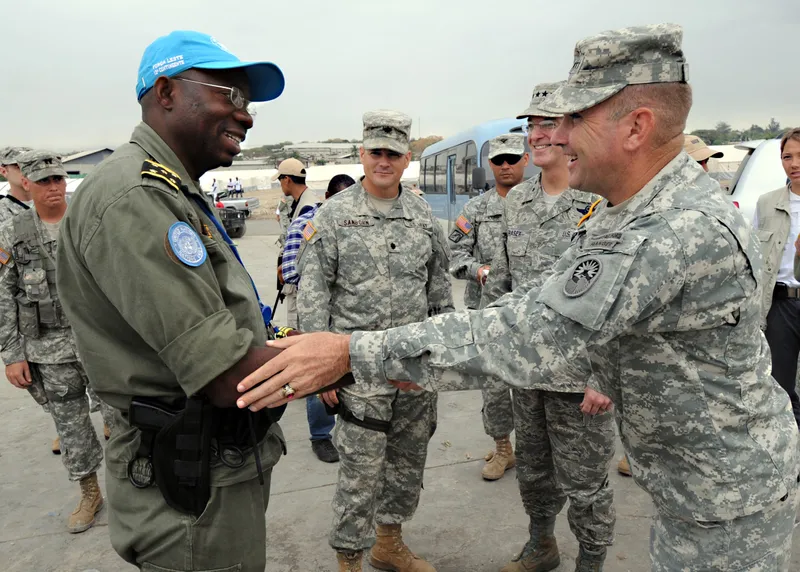
- What: Haiti’s 2010 cholera outbreak was traced to sewage contamination linked to a UN peacekeeper camp, leading to a major public health crisis and accountability concerns.
- Where: Haiti
- When: 2010 and the years that followed
In 2010, Haiti was hit by a cholera outbreak that moved with terrifying speed. Hospitals and clinics were overwhelmed, thousands died, and a country already reeling from a catastrophic earthquake was pulled into another emergency. What made the outbreak especially alarming was that Haiti had no recorded cholera outbreak in recent modern history.
UN Peacekeeper Camp Link
Investigations that followed pointed to a specific source. Genetic and epidemiologic tracing linked the strain of Vibrio cholerae in Haiti to sewage contamination from a camp used by Nepalese UN peacekeepers. The troops had arrived as part of the international response after the earthquake. Instead of only bringing aid, the camp’s waste system appears to have introduced the bacteria into a vulnerable environment.
How Cholera Spread in Haiti
Once cholera entered the water system, the conditions for rapid spread were already in place. Large numbers of people were displaced, sanitation systems were fragile, and access to medical care was strained. The disease spread quickly across the country, infecting hundreds of thousands of people over the years that followed. Nearly 10,000 died.
The central fact of the crisis is hard to separate from the context in which it happened. A mission meant to stabilize and assist Haiti became tied to one of the deadliest public health disasters in the country’s recent history. That did not make the outbreak inevitable, but it did make the failures around prevention and sanitation impossible to ignore.
Accountability After the Outbreak
The aftermath also became a test of institutional accountability. The outbreak raised sustained questions about what international organizations owe to communities harmed during humanitarian operations, especially when those operations take place in already fragile settings. For Haiti, the epidemic was not just a medical emergency. It became part of the long recovery from the earthquake, leaving damage that extended far beyond the first wave of infections.
More than a decade later, the cholera outbreak remains a defining example of how a breakdown in basic sanitation can turn outside assistance into a source of mass harm. In Haiti, the consequences were measured in years of illness, thousands of deaths, and a public health burden the country did not create on its own.
Did You Know?
Cholera is caused by the bacterium Vibrio cholerae, which spreads through contaminated water or food.