
⚙️ Traces from the dawn of innovation
How reCAPTCHA Turned a Security Check Into Free Digital Labor
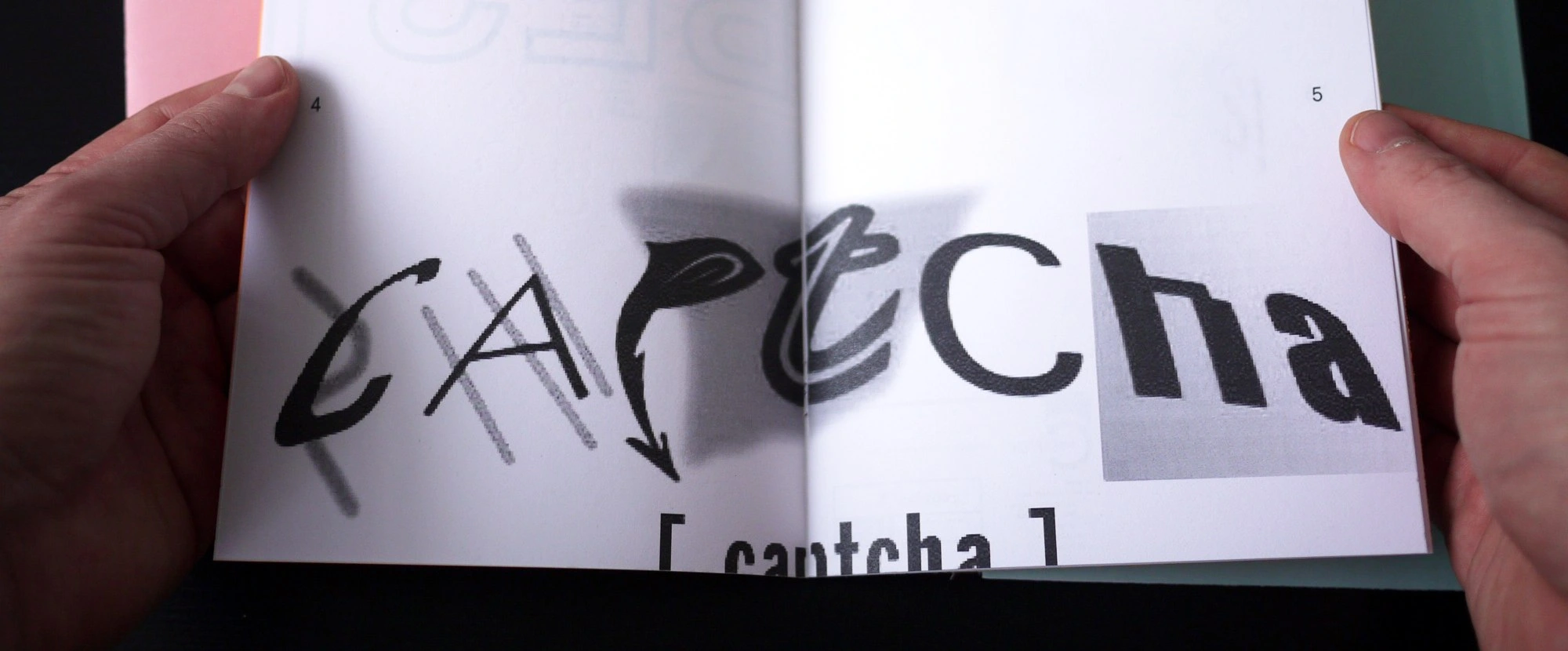
- What: reCAPTCHA did more than block bots: it also used human responses to help digitize hard-to-read text and improve image recognition.
- Where:
- When: Starting in the late 2000s and during Google’s reCAPTCHA years.
reCAPTCHA looked like a simple gatekeeper: prove you’re human, move on. But for years, it also assigned a small piece of useful work to the people passing through.
The idea was straightforward. Computers were still bad at reading some scanned text, especially words pulled from old books and newspapers. So reCAPTCHA showed users two words. One was already known and used to verify the answer. The other came from text that software could not confidently read. If enough people typed the same thing, that guess became usable data.
How reCAPTCHA Worked
What made the system notable was how neatly it combined two jobs. It filtered out at least some automated abuse while distributing a massive transcription task across millions of ordinary web sessions. A few seconds spent logging in or posting a comment could also help convert printed pages into machine-readable text.
Beyond Book Transcription
That model did not stop at books. Google later described using the same basic approach to improve its ability to read street numbers in Street View images. The security prompt became a way to gather human judgments at scale, folded into an action people were already required to complete.
There is a reason reCAPTCHA still stands out in the history of the web. It captured something larger than a clever anti-bot trick: the internet had found a way to turn friction into production. Tiny interruptions, repeated often enough, could generate training data and digitized text that machines alone were not yet good at producing.
Security Check as Free Labor
That is the quiet consequence behind the familiar checkbox era and the distorted-word era before it. A tool presented as verification also functioned as a distributed labor system, using spare human attention to push computer vision and text recognition a little further.
Did You Know?
Google acquired reCAPTCHA in 2009.