
⚙️ Traces from the dawn of innovation
How Researchers Turned Waze Into a Driver-Tracking Tool
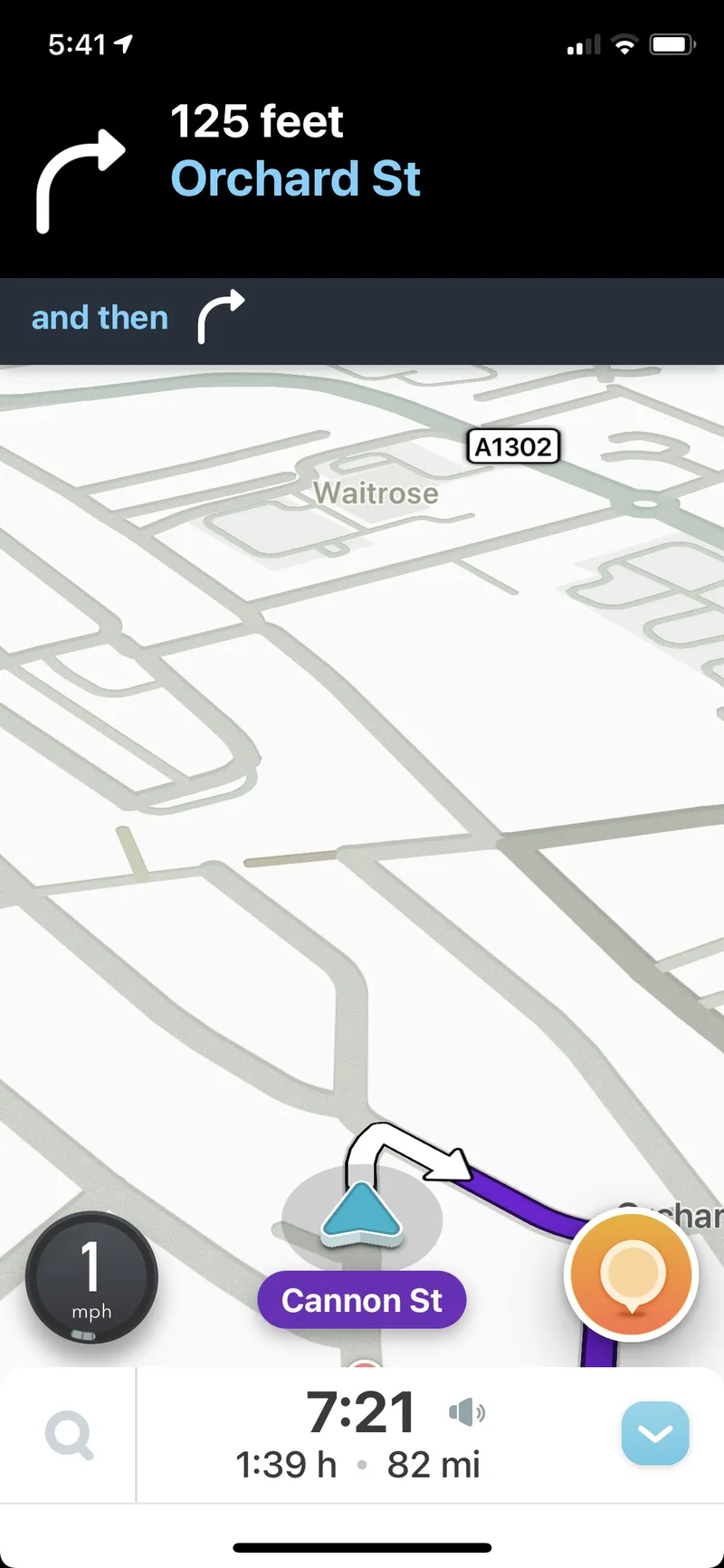
- What: Researchers showed that Waze’s social features could be exploited to track individual drivers in near real time and infer likely home and work locations.
- Where: Inside the Waze navigation app and its location-sharing environment.
- When: 2016.
In 2016, researchers at UC Santa Barbara showed that Waze’s social features could be used for something the app was never meant to do: track individual drivers in near real time.
Ghost Cars and Fake Accounts
The method relied on “ghost” cars, fake accounts that appeared inside the app as ordinary vehicles on the road. By deploying many of them at once, the researchers could watch what nearby Waze users were doing and follow specific accounts as they moved through the map. What made the approach notable was not a complex break-in, but the use of normal app behavior at scale.
Inferring Home and Work Locations
According to the paper, that visibility could reveal more than a route. With repeated observation, it became possible to infer where a person likely lived, where they likely worked, and when they tended to travel between those places. In a crowdsourced navigation service, the same live location features that help users report traffic and hazards also created a practical way to monitor them.
Location Privacy Risks in Apps
The issue was less about one app than about a design pattern. Services that show nearby users, accept large numbers of automated accounts, or share location data too broadly can make surveillance easier than their interfaces suggest. Waze was a clear example because the tracking could be done cheaply and remotely, using the system’s own social layer.
The study did not argue that every user was being actively watched. It demonstrated that the barrier was low enough for targeted tracking to be feasible. That distinction matters. A feature can work as intended for most people and still expose a weakness serious enough to require redesign.
The practical implication was straightforward: if a location-based app makes users visible to one another, then privacy depends not just on what data is collected, but on how easily that visibility can be automated, queried, and turned into a map of someone’s routine.
Did You Know?
The study highlighted that the tracking could be done remotely using fake accounts, without needing to break into the app.