
🫀 Secrets of the human vessel
Tick Microbiomes May Matter More to Disease Spread Than Researchers Expected
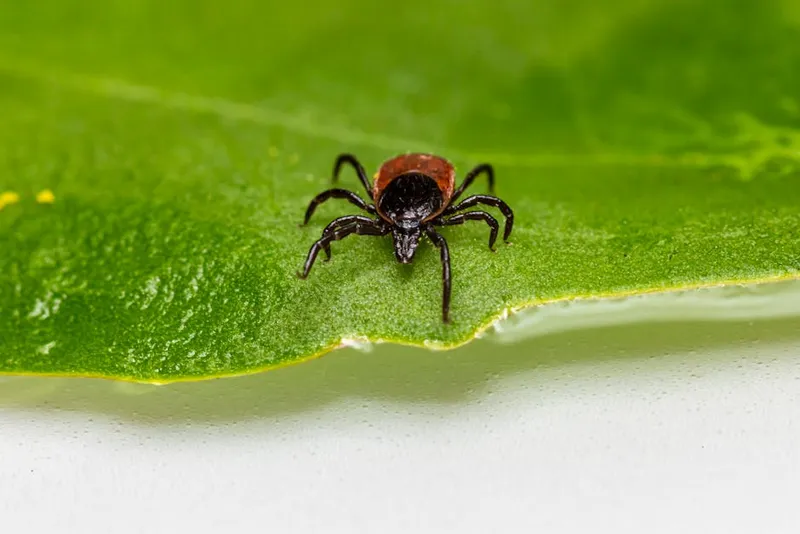
- What: The article says tick microbiomes may influence how ticks carry and transmit pathogens, making disease risk more complex than tick numbers alone.
- Where:
- When:
Ticks are not just carriers of pathogens. They also host their own bacterial communities, and those microbes may help shape how disease is transmitted.
That is the more interesting implication of research on tick microbiomes: controlling the tick itself may be only part of the picture. If certain bacteria inside ticks affect whether pathogens survive, compete, or spread, then disease risk may depend on more than tick numbers alone.
Tick Microbiomes and Disease Risk
The idea matters because vector control is often framed in simple terms. Fewer ticks should mean less disease. In broad terms, that still makes sense, but microbiome research suggests the relationship may not always be so straightforward. Different bacterial species inside a tick could influence the pathogens it carries, potentially changing how efficiently infections are passed on.
That does not mean these bacteria are a newly confirmed cause of higher disease rates, or that standard prevention measures no longer matter. It means researchers are looking more closely at an internal layer of biology that has often been treated as background. In the same way the human gut microbiome can affect health, the microbial mix inside ticks may influence how these arthropods function as vectors.
Why Vector Control Is More Complex
The practical consequence is a more complicated view of disease control. If microbiome composition helps determine transmission patterns, then simply reducing tick populations may not answer every public health question. Researchers may need to consider which microbes are present in ticks, how stable those communities are, and whether changing them could alter pathogen spread.
For diseases such as Lyme disease and Rocky Mountain spotted fever, that could eventually refine how scientists assess risk and design interventions. The immediate takeaway is narrower but still important: a tick is not a self-contained threat. It is an ecosystem, and that ecosystem may influence what happens when disease moves from one host to another.
Did You Know?
Some tick-borne bacteria, including endosymbionts, can be passed from mother ticks to their offspring.