
🌿 Stories carved by wind and water
Why Banana Plants Are Among the Largest Herbs on Earth
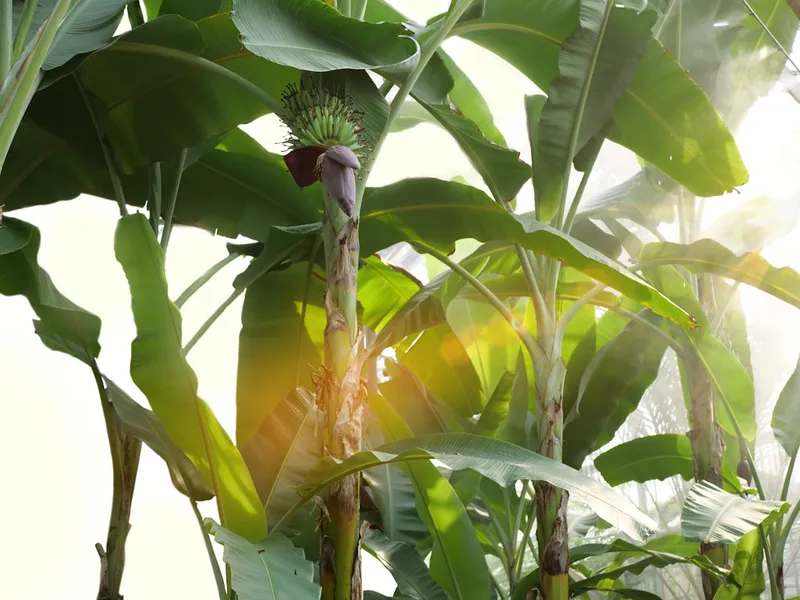
- What: Banana plants are among the largest herbaceous plants, growing up to 50 feet tall and lacking a woody stem.
- Where: Southeast Asia
- When: 9 to 12 months to reach maturity
When you think of banana plants, you might picture a tropical paradise, with their large, lush leaves swaying in the breeze. But did you know these giants can grow up to 50 feet tall? That’s taller than many trees!
Despite their impressive height, banana plants are actually classified as herbs. This may come as a surprise since we often associate herbs with small, delicate plants. So, what makes these towering plants herbaceous?
The key lies in their structure. Unlike trees, banana plants lack a woody stem. Instead, they have a soft, fleshy stalk that supports their massive leaves. This unique characteristic makes them among the largest herbaceous plants on the planet.
Originating in Southeast Asia, banana plants thrive in warm, humid environments. They grow rapidly, reaching maturity in just 9 to 12 months. Once they bear fruit, the plant’s life cycle comes to a close, but it often produces new shoots, continuing the cycle of growth.
Next time you see a banana plant, remember: it’s not just a fruit-bearing giant; it’s also a remarkable herb that defies our expectations. This fascinating blend of size and classification showcases the incredible diversity of nature.
Did You Know?
Banana plants are not trees; they are classified as herbs due to their non-woody structure.