
⚙️ Traces from the dawn of innovation
Bluetooth Deadbolt Flaw Could Let Nearby Attackers Unlock Doors Offline
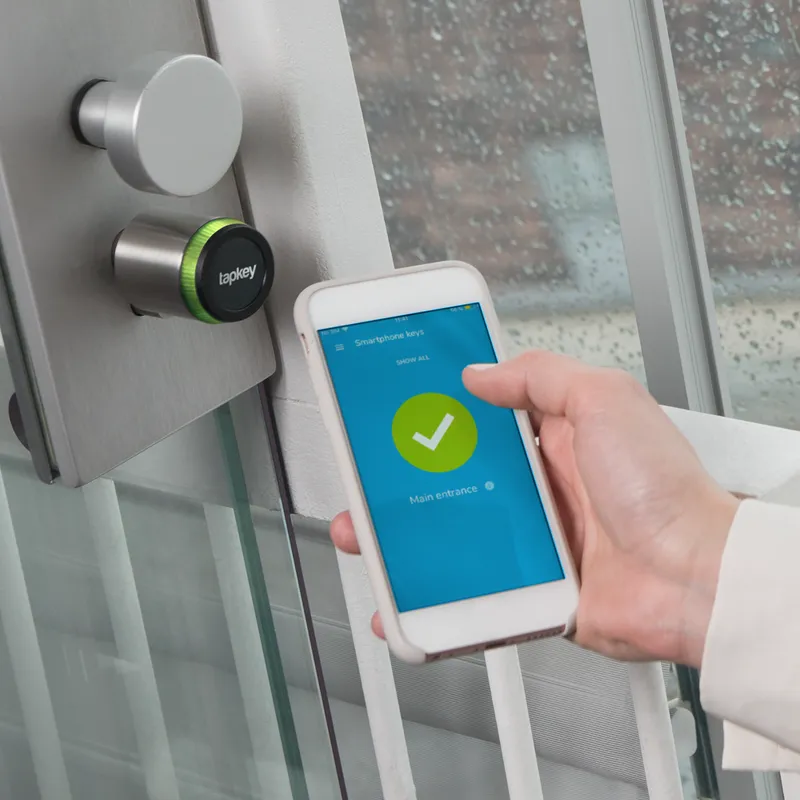
- What: Researchers found a Bluetooth Low Energy session flaw in Master Lock’s Bluetooth Deadbolt D1000 that could let a nearby attacker replay captured traffic to unlock it offline.
- Where: Nearby Bluetooth range.
- When:
Researchers have identified a security flaw in Master Lock’s Bluetooth Deadbolt D1000 that could let a nearby attacker unlock the device without internet access or a cloud account compromise.
Bluetooth Session Flaw
The issue appears to come from the lock’s Bluetooth Low Energy session setup. According to the researchers, the lock reuses a fixed nonce during the start of each session. In plain terms, that means some of the wireless authentication traffic can remain predictable when it should not. If an attacker captures the right Bluetooth packets while a legitimate user operates the lock, those packets can later be replayed to open it.
That matters because the attack does not depend on breaking encryption in the usual sense. It relies on recording and reusing a valid exchange. The researchers say they were able to demonstrate the method with only nearby access to the Bluetooth traffic, then unlock the door offline afterward.
Why Offline Attacks Matter
The finding puts the focus on a less visible part of smart-lock security: protocol design. A lock can look secure from the outside and still fail if its wireless handshake allows old messages to be accepted as new ones. In a device meant to control physical entry, that kind of design mistake has more immediate consequences than a typical software bug.
The broader point is not that every Bluetooth lock is exposed in the same way. It is that convenience features like phone-based unlocking depend on details most buyers never see, including whether each session uses fresh values that cannot simply be replayed. When those safeguards are missing, the result can be a door that opens for someone who was only listening at the right moment.
Security Lessons For Smart Locks
For smart-lock makers, this is a concrete warning that offline attacks deserve as much attention as cloud security. A product does not need to be connected to the internet to fail in a way that defeats its basic purpose.
Did You Know?
Bluetooth Low Energy was designed for low power use, which is why it is commonly used in battery-powered smart locks.