
🧩 Fragments from the unknown
Japan's Unsolved Candy Extortion Panic
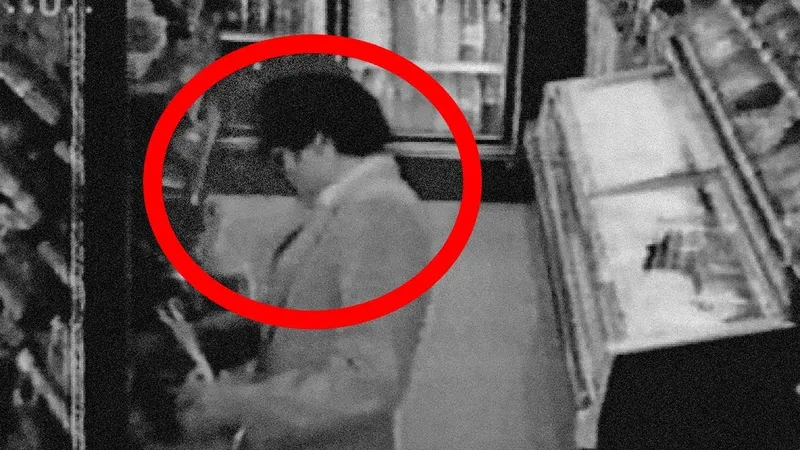
- What: The 1984 “Monster with 21 Faces” case began as the kidnapping of Glico’s president and escalated into an unsolved extortion campaign involving threats that candy products had been poisoned.
- Where: Japan
- When: 1984
In 1984, one of Japan’s strangest criminal cases began with the kidnapping of the president of Glico, a major confectionery company. It did not remain a kidnapping case for long. What followed turned into a prolonged campaign of extortion, public taunting, and threats that pushed a routine consumer product into the center of a national panic.
The Glico Kidnapping
The group behind it called itself the “Monster with 21 Faces,” a name that sounded theatrical enough to seem invented for headlines. But the threat was real enough to force action. The group targeted Glico and later Morinaga, another large candy maker, claiming that products had been laced with cyanide. In response, companies pulled goods from store shelves and shut down production, not because the mystery was solved, but because the risk could not be ignored.
Public Threats and Panic
What made the case especially gripping was the way the group operated in public. They sent letters to the media and investigators, turning the crime into an ongoing performance as much as an extortion attempt. The messages were taunting rather than hidden, and that changed the atmosphere around the case. It was no longer just a matter of money. It became a running contest between anonymous offenders and the police, with ordinary shoppers caught in the unease.
That combination made the episode unusually hard to contain. A threat against a company can be negotiated behind closed doors. A threat against candy on store shelves is harder to control, because it turns everyday trust into a liability. The fear did not depend on constant violence. It depended on the possibility that any package in a familiar setting might have been turned into evidence of a crime.
An Unsolved Criminal Case
Despite a major investigation, the people behind the “Monster with 21 Faces” were never conclusively identified. That is one reason the case still holds its place in Japan’s criminal history. It was not only bizarre; it remained unfinished. The names of the companies are clear, the panic is part of the record, and the letters were real. The central answer never arrived.
Did You Know?
The case is often remembered as one of Japan’s most famous unsolved crimes.