
🌍 Records from the halls of power
The London Pump That Helped Prove Cholera Spread Through Water
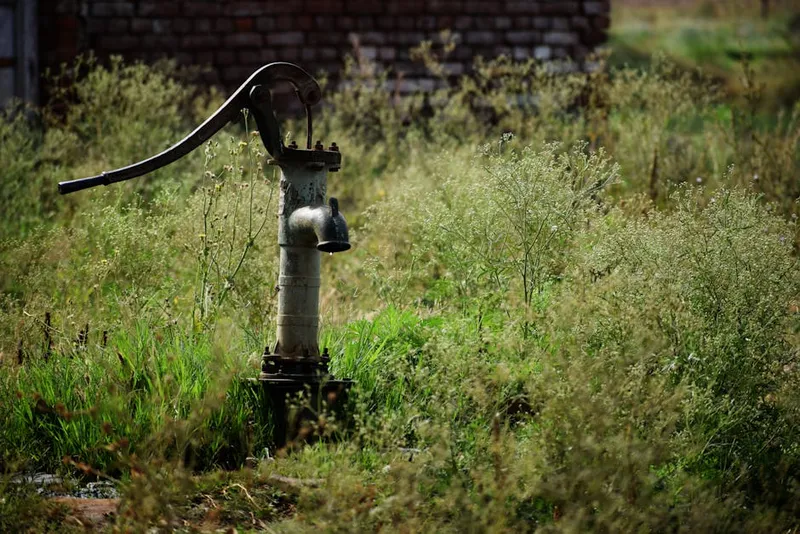
- What: John Snow’s investigation of the 1854 Soho cholera outbreak helped support the idea that cholera spread through contaminated water, not bad air.
- Where: Soho, central London, centered on the Broad Street pump.
- When: 1854, during a cholera outbreak in Victorian London.
In 1854, a cholera outbreak tore through Soho in central London. People were getting sick fast, and many were dying. At the time, the dominant explanation blamed bad air, or miasma. Many believed cholera drifted through foul-smelling streets.
John Snow’s Waterborne Theory
Dr. John Snow thought the pattern pointed elsewhere. He suspected the disease was being carried in contaminated water. To test that idea, he tracked where cholera deaths were happening and compared them with the neighborhood’s water sources. The cases clustered around one public well: the Broad Street pump.
The Broad Street Investigation
Snow’s map did not end the outbreak by itself, and the epidemic was already declining when local officials removed the pump handle. But the Broad Street investigation became one of the clearest early arguments that cholera was waterborne rather than airborne.
That mattered because the older theory was not just wrong in the abstract; it shaped how people tried to protect themselves. If disease came from foul vapors, then smell was the enemy. If it came through tainted water, then the real problem was contamination, sewage, and the systems that carried drinking water through a growing city.
Why the Pump Mattered
Snow was not working with modern germ theory as it would later be established, and he was arguing against a widely accepted view. Even so, his method stood out. He used location, exposure, and comparison to build a public-health case from events on the ground. The episode is often treated as a founding moment in epidemiology not because one map solved cholera, but because it showed how an outbreak could be investigated systematically.
The Broad Street pump has lasted in public memory because it marks a shift in how disease was understood. A neighborhood water source, not the air above it, became the crucial clue. From there, the implications were practical: sanitation, clean water, and infrastructure were not side issues in urban life. They were central to whether a city could keep people alive.
Did You Know?
The Broad Street pump was later commemorated with a plaque near the site of the former pump.