
🧩 Fragments from the unknown
How HMS Erebus and HMS Terror Were Found in the Canadian Arctic
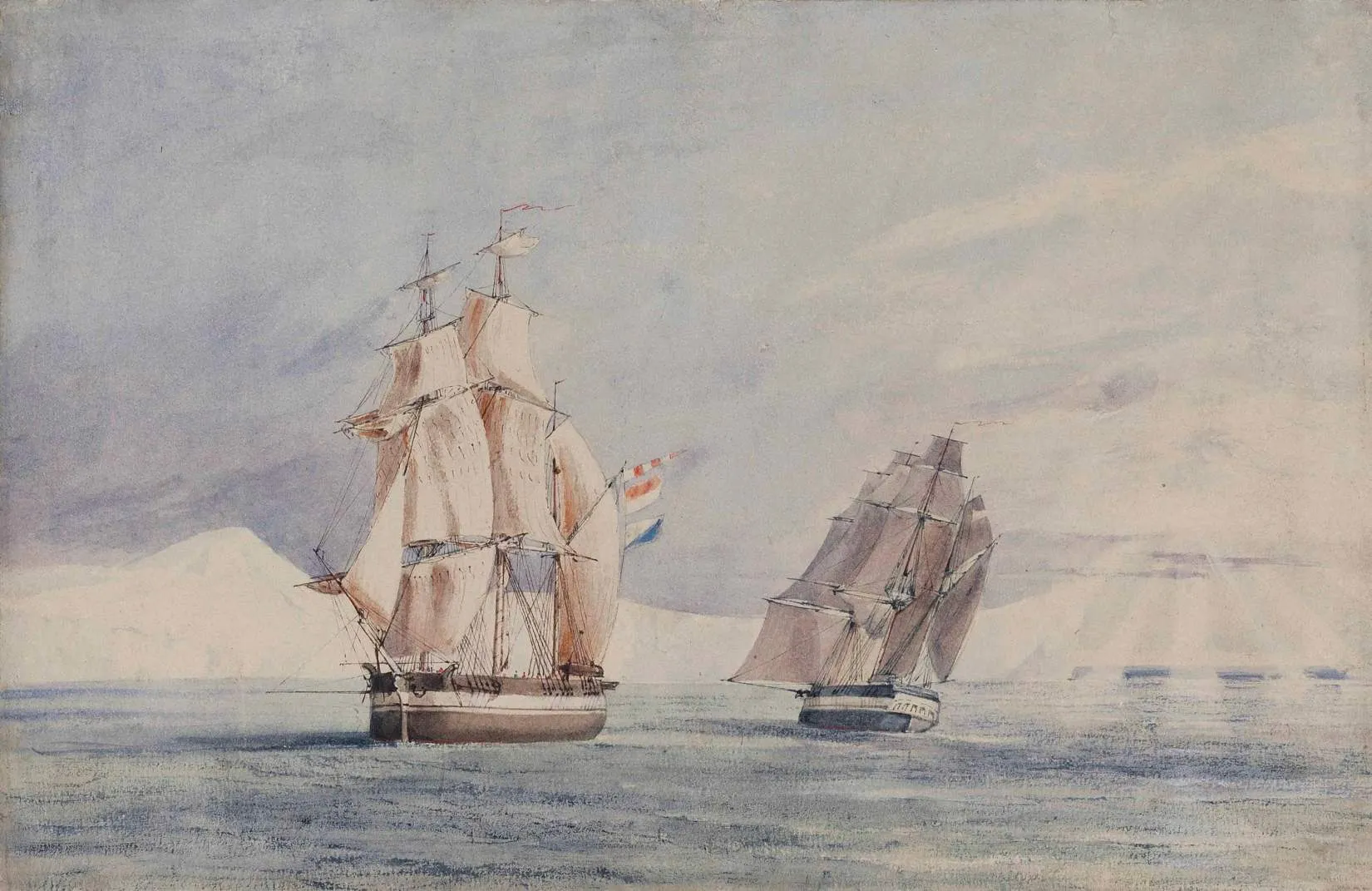
- What: The rediscovery of HMS Erebus and HMS Terror confirmed the fate of Franklin’s lost Arctic expedition and turned a long mystery into an archaeological record shaped in part by Inuit oral history.
- Where: The Canadian Arctic
- When: 1845 expedition; wrecks found in 2014 and 2016
For nearly 170 years, HMS Erebus and HMS Terror existed mainly as a disappearance story. The two ships had sailed with Sir John Franklin’s expedition into the Canadian Arctic and never returned, leaving behind one of the best-known mysteries in polar exploration.
Discovery of Erebus and Terror
That changed when Erebus was found in 2014 and Terror in 2016. Both ships were remarkably well preserved in Arctic waters, turning a long-unsolved loss into a physical archaeological site. Suddenly, the Franklin expedition was no longer just a trail of reports, theories, and later searches. It had hulls on the seafloor, rooms and objects in place, and a material record that could be studied directly.
Inuit Oral History and the Search
The discoveries also reinforced something that had been part of the story for a long time: Inuit oral history had pointed searchers in meaningful directions. For generations, Inuit knowledge preserved accounts related to the lost ships and their fate. Modern search efforts did not replace that knowledge so much as confirm how important it had been.
What the Wrecks Revealed
As divers and archaeologists began examining the wrecks, they recovered artifacts and personal belongings that narrowed the distance between the legend and the people who lived it. Tools, equipment, and other objects offered evidence of daily life aboard the ships and of the severe conditions the crew faced. The wrecks did not solve every question surrounding the expedition, but they shifted the discussion from speculation alone to documented remains.
That is what makes the rediscovery of Erebus and Terror more than a dramatic find. It connects exploration history, Arctic archaeology, and Inuit testimony in the same frame. The Franklin expedition is still associated with loss and uncertainty, but the wrecks established something solid at the center of the story: the ships were there, the evidence endured, and the search was shaped in part by knowledge that had been available all along.
Did You Know?
The wrecks of HMS Erebus and HMS Terror are designated a National Historic Site of Canada.