🏺 Recovered from the dusty archives
How WWII Escape Aids Were Hidden Inside Monopoly Sets
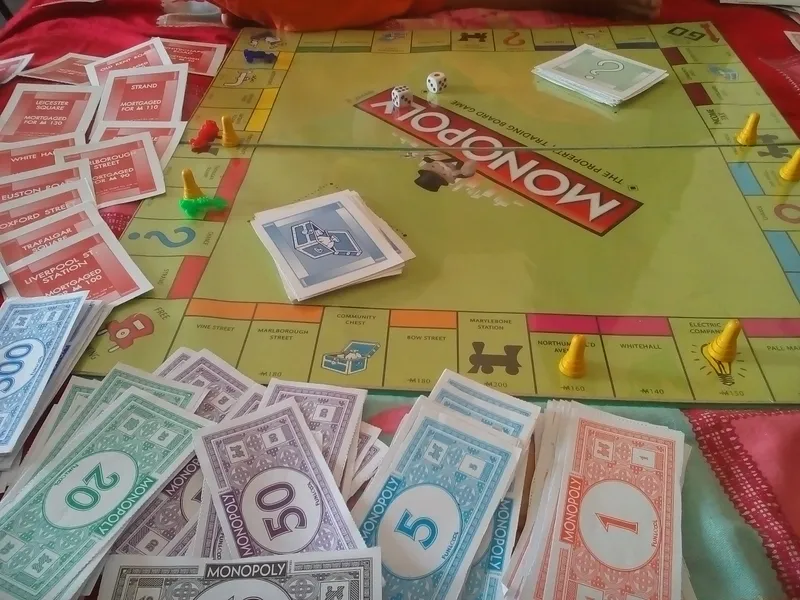
- What: During World War II, some Monopoly sets were modified to conceal escape tools and supplies for Allied prisoners of war.
- Where: POW camps run by Axis powers.
- When: World War II.
During World War II, some Monopoly sets were adapted into escape kits for Allied prisoners of war. The idea was simple: hide useful items inside an object that looked harmless, ordinary, and easy to explain if guards saw it.
Monopoly Sets as Escape Kits
According to accounts tied to British intelligence work, these altered sets could contain silk maps, small compasses, and real currency. From the outside, they were still board games. Inside, they became practical tools for prisoners trying to escape captivity and move across unfamiliar territory.
The choice of Monopoly was not accidental. A boxed game could be sent as part of a relief parcel or gift without drawing the same attention as more obviously suspicious objects. That mattered in POW camps, where even small items could be checked, confiscated, or restricted. A game offered cover, but it also gave prisoners something they could keep in plain sight.
Why the Disguise Worked
What makes the story notable is not that a famous board game was used in wartime, but how deliberately it was repurposed. The maps were useful because silk was light, durable, and quiet to handle. A tiny compass could be concealed more easily than standard equipment. Real money mattered because an escape did not end at the camp fence; a prisoner still had to navigate, travel, and avoid recapture.
That practical side is often lost when the story is retold as a clever wartime oddity. These were not novelty props or symbolic gestures. They were designed to solve real problems faced by men in captivity, using a familiar object that could pass inspection more easily than specialized gear.
Wartime Improvisation and Deception
Seen that way, the altered Monopoly sets fit into a broader wartime pattern of disguise and improvisation. Intelligence work often depended less on dramatic gadgets than on ordinary things made useful in a new way. In this case, a board game was turned into a compact delivery system for escape aids, hidden in plain sight and built for a very specific purpose.
Did You Know?
The British firm Waddingtons, which made Monopoly in the UK, was involved in producing these special sets.