
🏺 Recovered from the dusty archives
When Music Became a Weapon of Endurance in Besieged Leningrad
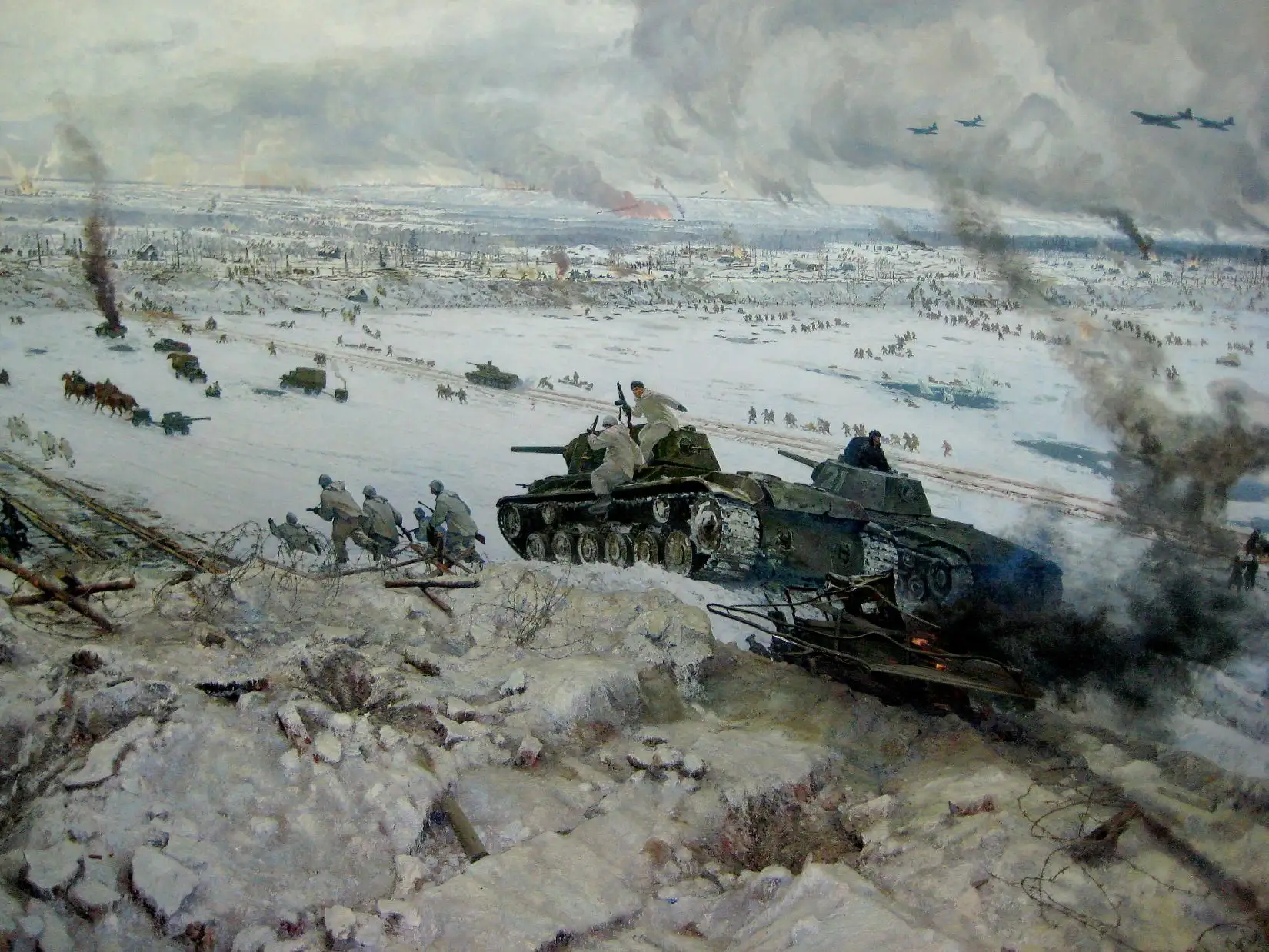
- What: During the Siege of Leningrad, musicians kept performing, and Shostakovich’s Seventh Symphony was played in the city as a public act of endurance and civic continuity.
- Where: Leningrad (then besieged during World War II).
- When: 1941–1944, especially in 1942 during the blockade.
In besieged Leningrad, daily life had been reduced to survival. The blockade lasted 872 days. Bombing, hunger, and exhaustion shaped the city’s routine, and yet music did not disappear.
It continued under conditions that are hard to grasp now. Musicians and citizens organized performances and rehearsals in damaged buildings, keeping public cultural life alive even as the city was being starved and shelled. In that setting, music was not a refined extra. It was one of the few ways to insist that the city still existed as more than a battlefield.
The clearest example came in 1942, when Shostakovich’s Seventh Symphony, the work that became known as the Leningrad Symphony, was performed in the city during the siege. The piece was already closely tied to Leningrad in the public imagination, but the performance inside the blockaded city gave it a different weight. Under those circumstances, playing it was not simply an artistic event. It was a public statement of endurance.
That is what makes the story more than a wartime anecdote. The performance mattered because it took place when normal civic life had nearly collapsed. If music had stopped entirely, that would have seemed inevitable. Instead, its continuation suggested that the siege had not fully broken the city’s internal order.
There is a temptation to treat the Leningrad Symphony as legend and leave it there. But its significance is more concrete than that. In a city under extreme pressure, organized performance created a brief structure of discipline, attention, and shared experience. It gave people a public act that was neither military nor administrative, but still carried collective force.
That helps explain why the symphony remained such a potent wartime symbol. During the siege, music in Leningrad was not merely comfort. It functioned as morale, as civic continuity, and as a visible refusal to let the terms of the blockade define everything. In that sense, the sound of an orchestra in 1942 was not an escape from the siege. It was part of how the city answered it.
Did You Know?
Shostakovich’s Seventh Symphony was first composed in 1941, before it became famously associated with the siege.