
🕯️ Notes from the casefile
The Golden State Killer: A Forensic Breakthrough
- What: The Golden State Killer was identified in 2018 through genetic genealogy, solving a case that had remained unsolved for decades.
- Where: California
- When: 1970s to 2018
In 2018, the infamous Golden State Killer was identified, solving a decades-old mystery that had haunted California since the 1970s.
This case, involving a series of brutal rapes and murders, was widely described as one of the most elusive in American history. But how did investigators finally crack it?
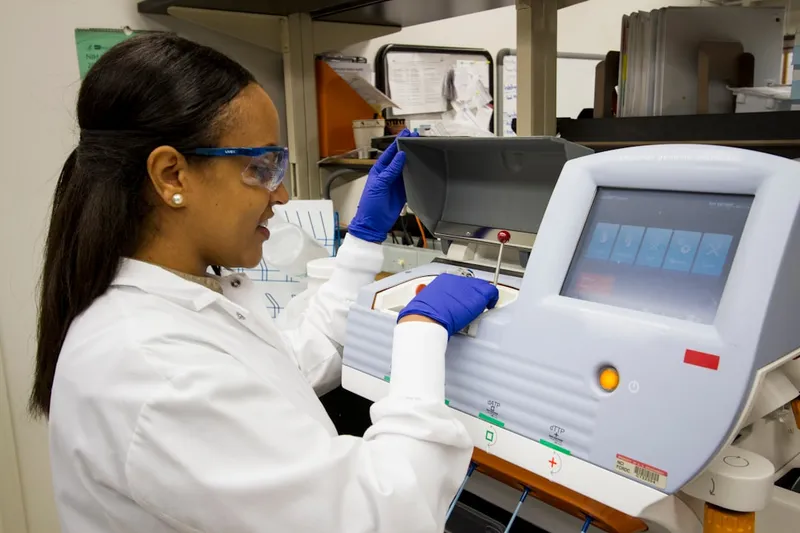
The answer lies in a groundbreaking method known as genetic genealogy. Using DNA samples collected from crime scenes, detectives turned to family trees to trace the killer's lineage.
By comparing the crime scene DNA to publicly available genetic databases, they identified distant relatives of the suspect. This innovative approach transformed forensic science and opened new doors in cold cases.
In April 2018, Joseph James DeAngelo, a former police officer, was arrested, bringing closure to victims and families who had waited for justice for over four decades.
This case illustrates the power of modern forensics and the potential of genetic genealogy to unearth long-hidden offenders when evidence remains.
Did You Know?
The Golden State Killer was also known as the East Area Rapist and the Original Night Stalker, committing crimes across multiple counties in California.