
🌿 Stories carved by wind and water
How House Mice Turned Into Albatross Predators on Gough Island
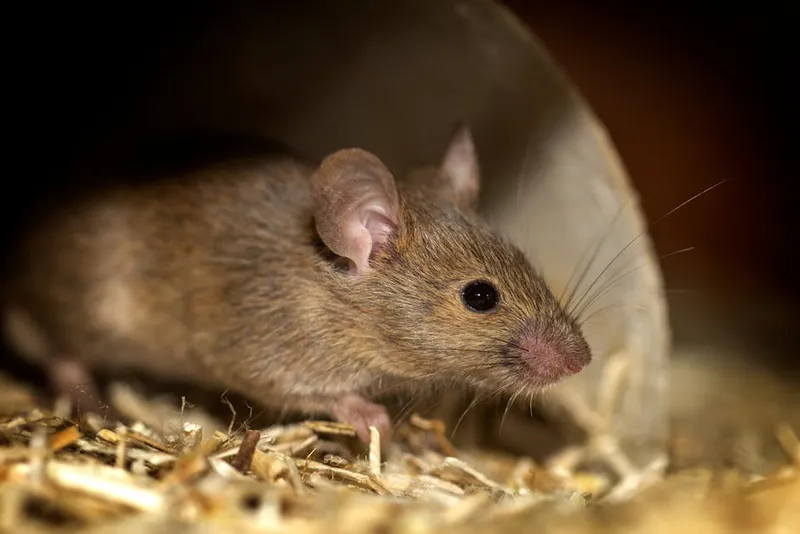
- What: House mice introduced to Gough Island became unusually large and predatory, and have been reported attacking and eating seabird chicks, including albatross chicks.
- Where: Gough Island in the South Atlantic.
- When:
Gough Island looks like the kind of place where seabirds should be safe. It is remote, isolated in the South Atlantic, and known as an important wildlife refuge. But one of its most serious threats came from an animal usually associated with kitchens, barns, and ship holds: the house mouse.
Introduced by sailors, mice established themselves on the island and adapted to a setting with abundant food and no mammalian predators. Over time, they appear to have become larger and more aggressive than typical house mice. On Gough, that shift had consequences far beyond crop damage or scavenging.
Researchers and conservationists reported mice attacking seabird chicks, including albatross chicks. These were not brief nips at leftovers. The mice were observed feeding on living chicks, which were often unable to defend themselves or escape. On nesting islands where birds evolved without land predators, that kind of attack can be devastating.
The contrast is part of what makes the story so hard to absorb. Albatrosses are among the largest flying birds on Earth, built for immense ocean journeys. House mice are among the smallest and most familiar mammals humans have spread around the world. Yet on Gough Island, the balance tilted toward the rodent.
It is easy to assume that an invasive mouse is a minor ecological nuisance compared with larger introduced predators. Gough Island suggests otherwise. Size matters less than opportunity. In the right conditions, a species that usually survives on scraps can become a direct predator, especially in an ecosystem that did not evolve to resist it.
The case also clarifies what “adapting well” can mean in an altered environment. The mice did not become extraordinary in a dramatic, mythical sense. They responded to the conditions humans helped create: isolation, vulnerable prey, and a lack of natural checks. The result was still severe. On islands where seabirds return year after year to breed, even a small introduced mammal can reshape survival itself.
Did You Know?
Gough Island is part of the Tristan da Cunha island group, one of the most remote inhabited archipelagos in the world.