
🎭 Fragments from the heart of civilization
Messiah Was Not One Fixed Score
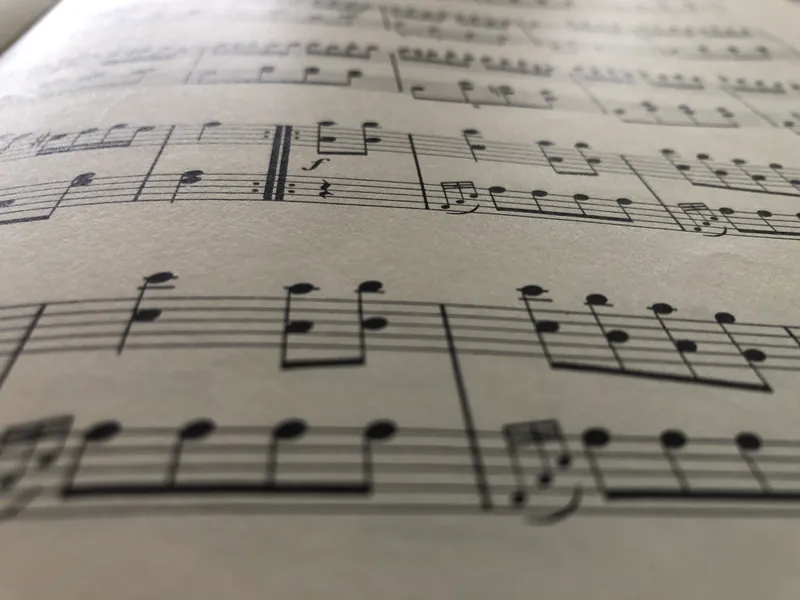
- What: Handel’s Messiah survives in a working, revised form, with manuscript evidence showing cuts, transpositions, and changes made for different singers and performances.
- Where: London and Dublin.
- When: From the 1740s onward.
The surviving materials for Handel’s Messiah do not look like a sacred object sealed in glass. They look worked on.
In Handel’s autograph score and related performance materials from the 1740s and later, you can see practical changes on the page: cuts, rewritten passages, transpositions into different keys, and arias reassigned from one voice type to another. This is not a side story. It is part of how Messiah lived in Handel’s hands in London and Dublin.
That matters because Messiah is often imagined as a single, definitive masterpiece that arrived complete and stayed that way. The documents point the other way. Handel treated it as a flexible performing work. If the available singers changed, the score changed with them. A number written for one singer in one season might be altered for another singer in the next. Some movements were shortened. Some were shifted higher or lower. Some solos moved between soprano, alto, and bass depending on who was engaged.
The object itself tells the story. These are not abstract later theories about “versions.” They are handwritten signs of use. Handel was not preserving a museum text. He was preparing a performance.
That can sound surprising only because modern audiences are used to the idea that great works exist in one correct form. In the 18th century, especially in vocal music, that assumption fits poorly. Composers regularly adapted material to real voices, real venues, and real circumstances. Messiah was famous, but it was still subject to the ordinary pressures of performance.
The misconception is that revision means damage, compromise, or decline from an original ideal. In Handel’s case, the revisions often show the opposite: not corruption, but control. He was adjusting the piece so it would land effectively with the singers he had in front of him. Flexibility was part of the craft.
So when conductors and scholars talk about different performing versions of Messiah, they are not drifting away from history. They are getting closer to it. The surviving pages suggest that the work’s history is not a straight line back to one frozen text, but a record of repeated, concrete choices made for specific performances.
Did You Know?
Handel first performed Messiah in Dublin in 1742.