
🫀 Secrets of the human vessel
Powdered Surgical Gloves Were Banned Over Hidden Risks
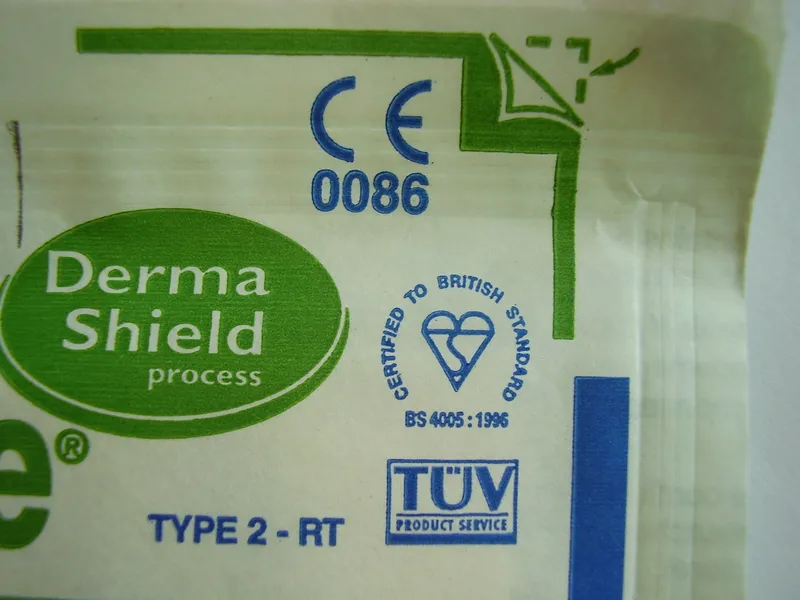
- What: The article explains that powdered surgical gloves were banned in the United States after evidence showed the glove powder could cause inflammation, adhesions, and other complications, so hospitals shifted to non-powdered alternatives.
- Where: The United States.
- When: The FDA issued the ban in 2016, and it took effect in early 2017.
Powdered surgical gloves were phased out in the United States after evidence showed the powder itself could contribute to complications. What looked like a small convenience in the operating room turned out to have a bigger effect on healing than many people realized.
Why Glove Powder Was Used
For years, glove powder was common because it made gloves easier to put on and remove. The powder was usually absorbable cornstarch, and in a busy clinical setting, that seemed practical. But as more research accumulated, the concern was no longer just mess or irritation. It was what happened when that powder entered the body during surgery.
Health Risks of Powdered Gloves
Studies and medical reports linked glove powder to inflammation and postoperative adhesions, which are bands of scar tissue that can form after surgery. In some cases, those adhesions can contribute to pain, bowel complications, or make future operations more difficult. Powder was also associated with other problems, including granulomas and allergic reactions tied to airborne particles carrying latex proteins.
That evidence pushed regulators toward a rare step. In 2016, the U.S. Food and Drug Administration issued a final rule banning powdered surgeon’s gloves, powdered patient examination gloves, and absorbable powder for lubricating surgical gloves. The ban took effect in early 2017. The FDA said the dangers were serious and that the risks could not be corrected simply by relabeling the products.
FDA Ban and Its Impact
The decision mattered because powdered gloves had once been routine. They were not banned because gloves themselves were unsafe. They were banned because one added feature, long treated as normal, was shown to worsen outcomes in some patients. Non-powdered alternatives were already available, which made the shift more practical across hospitals and clinics.
The larger point is concrete: in medicine, a small detail can change recovery in ways that are only obvious after years of evidence. Removing glove powder did not transform surgery overnight, but it reduced one avoidable source of harm. Today, the absence of that powder is one of those quiet safety changes most patients never notice, even though it was designed to protect them in a very direct way.
Did You Know?
The FDA also banned absorbable powder used to lubricate surgical gloves, not just powdered surgeon’s and patient examination gloves.