
🛍️ Artifacts of human ingenuity
DJI GitHub Leak Exposed Drone Logs and Photos
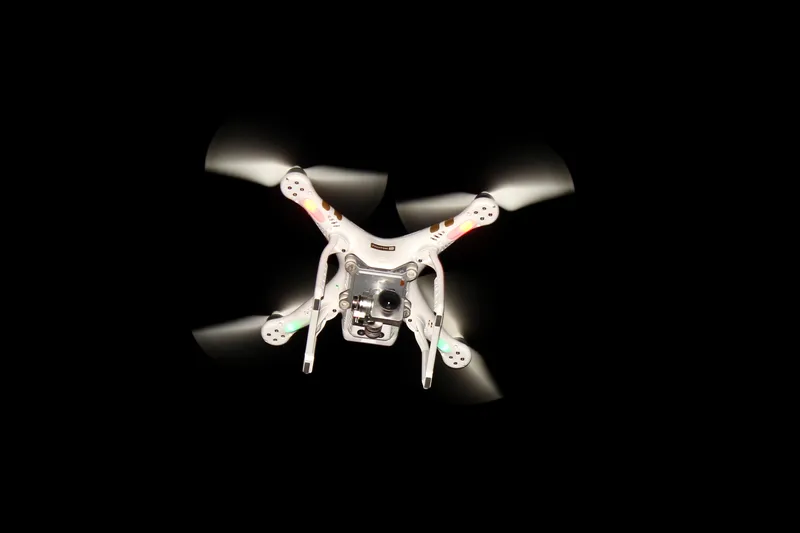
- What: In 2017, a security researcher found exposed DJI GitHub credentials that reportedly could have opened access to customer cloud data such as flight logs, photos, and other records stored on AWS. ([engadget.com](https://www.engadget.com/2017-11-20-dji-threatens-legal-action-researcher-reports-bug.html?utm_source=openai))
- Where: GitHub and DJI’s cloud systems on Amazon Web Services.
- When: 2017.
In 2017, drone maker DJI faced a privacy scare after a security researcher found company credentials exposed on GitHub. Those keys reportedly opened access to cloud data tied to DJI customers, including flight logs, photos, and other records stored on Amazon Web Services. ([arstechnica.com](https://arstechnica.com/information-technology/2017/11/dji-left-private-keys-for-ssl-cloud-storage-in-public-view-and-exposed-customers/?utm_source=openai))
Exposed GitHub Credentials
The discovery came from security researcher Kevin Finisterre, who published details after examining publicly exposed materials. According to his findings, credentials left in code repositories could be used to reach systems holding sensitive user information. DJI disputed parts of the reporting at the time and questioned the extent of what was accessible, but the incident quickly raised a simpler question that was harder to wave away: why was so much customer activity sitting in one place at all? ([regmedia.co.uk](https://regmedia.co.uk/2017/11/16/whyiwalkedfrom3k.pdf?utm_source=openai))
That was the part that made the story travel. For many people, a drone feels like a camera with propellers, something local and physical. But modern drone apps often send a surprising amount of information back to company servers. Flight paths, telemetry, device details, account information, and uploaded media can all end up centralized in the cloud. A mistake as ordinary as pushing the wrong file to GitHub can suddenly turn that invisible archive into a very visible risk.
Cloud Data and Drone Privacy
To be clear, public accounts of exactly what was reachable varied, and some claims were contested. But even the narrower version of the story was enough to trigger concern. DJI was not dealing with a leak of one product image or an internal memo. The exposed credentials pointed toward data created by real customers using drones in real places, sometimes with attached photos and precise records of where those drones had flown.
The lasting insight was less about one repository error and more about product design. By 2017, connected devices were already collecting more operational data than most users realized, and storing it centrally because it was useful for syncing, support, analytics, and account features. The GitHub mistake exposed that hidden architecture in one uncomfortable burst.
Why the Leak Mattered
The concrete implication was hard to miss: a company selling flying cameras was also maintaining a cloud trail of where those cameras went, what they recorded, and how they were used. Once the credentials appeared online, the issue was no longer abstract cybersecurity. It was a map, a media library, and a record of movement sitting behind a misplaced set of keys.
Did You Know?
DJI’s popular Phantom 4 drone launched in 2016 and helped make consumer drones mainstream. ([dji.com](https://www.dji.com/cn/media-center/announcements/dji-launches-new-era-of-intelligent-flying-cameras?utm_source=openai))