
🌍 Records from the halls of power
Serra da Capivara Rock Art and Early South America
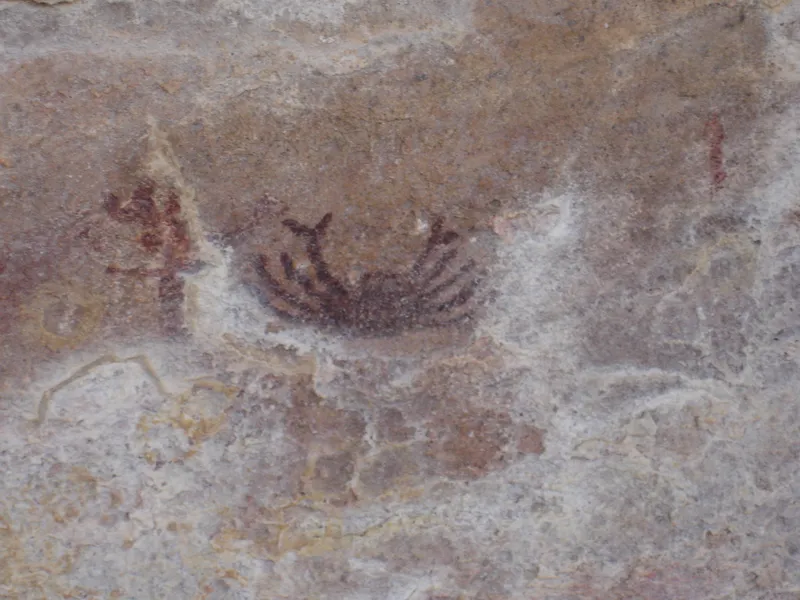
- What: Serra da Capivara National Park is a major Brazilian rock-art site whose many prehistoric paintings and excavations are central to debates about the early peopling of the Americas.
- Where: In northeastern Brazil, at Serra da Capivara National Park.
- When: Prehistoric period; the dating of human activity there is still debated.
In northeastern Brazil, Serra da Capivara National Park holds one of the largest concentrations of rock art in the Americas. Across its cliffs and shelters, thousands of prehistoric paintings show human figures, animals, hunting scenes, and rituals, turning the landscape into a long visual record of human presence.
Dating Debate at Serra da Capivara
The core reason the site draws so much attention is not just the number of images. It is the question of age. Some dates proposed for materials associated with human activity at Serra da Capivara go back far earlier than the timeline many people learned for the first settlement of the Americas. Those claims are debated, and not all researchers accept the oldest dates as definitive proof of human occupation. But the site remains central to that debate because the evidence is substantial enough to keep the argument open.
That distinction matters. A common misconception is that Serra da Capivara is famous because archaeologists found a single painting that “proved” people were in South America much earlier than expected. That is not the case. The park’s importance comes from a larger body of evidence: many rock shelters, many paintings, excavations, charcoal samples, stone artifacts, and repeated attempts to understand when humans were actually there. The paintings themselves are visually striking, but the dating questions often depend on nearby archaeological layers rather than a simple date stamped onto the art.
Niède Guidon and Early Occupation Claims
An example often tied to this discussion is the work associated with archaeologist Niède Guidon, whose research brought global attention to Serra da Capivara in the late 20th century. Some findings from the region were interpreted as indicating very early human presence, potentially much earlier than the long-dominant “Clovis-first” model for the peopling of the Americas would allow. Over time, that older model has already been challenged by multiple sites across the Americas. Serra da Capivara fits into that broader shift, though its earliest claimed dates remain contested.
Why the Park Matters Today
What makes the park important today is concrete: it preserves an enormous archive of prehistoric imagery while anchoring a serious scientific question. Even when researchers disagree on exact dates, Serra da Capivara forces any discussion of early South America to account for evidence from Brazil, not just North American textbook timelines.
Did You Know?
The park is also a UNESCO World Heritage Site, recognized for its outstanding archaeological significance.