
🌿 Stories carved by wind and water
Australian Ants Farm Scale Insects on Tree Roots
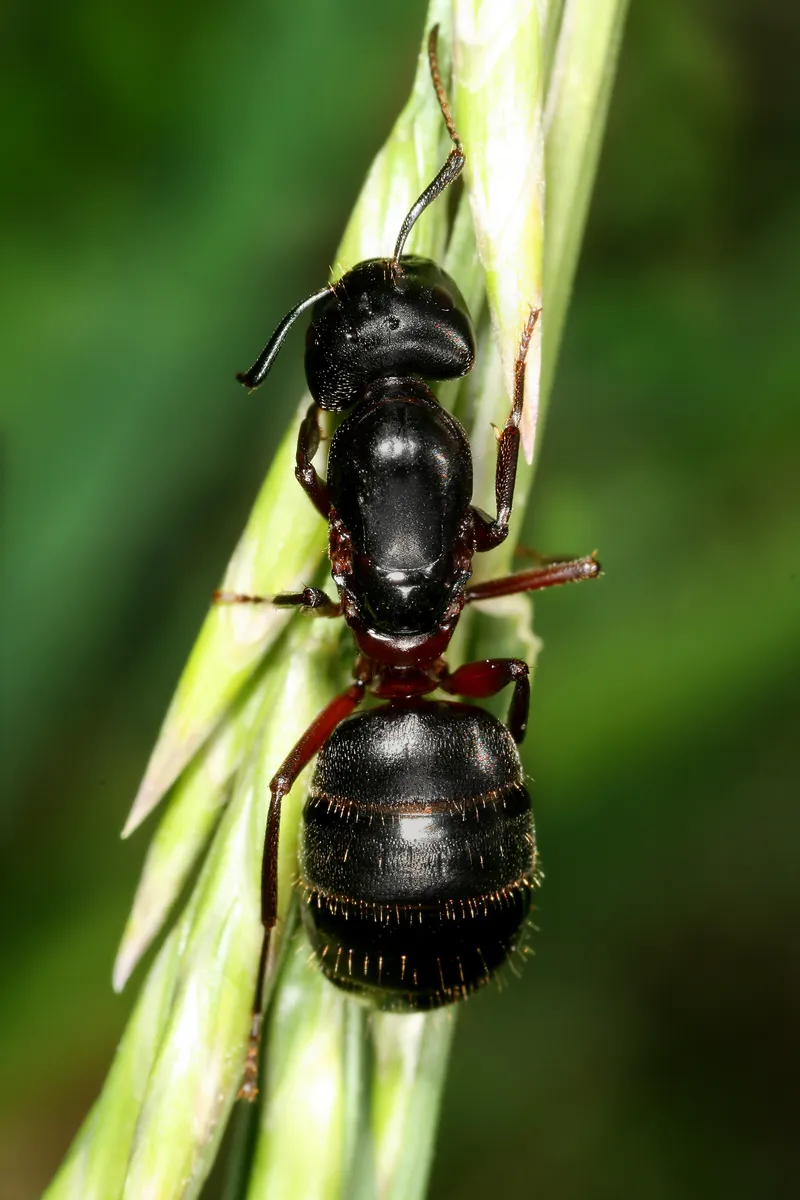
- What: Some ants in Australia tend root-feeding scale insects underground, protecting and moving them to keep a steady supply of honeydew.
- Where: Underground in the root zone of trees and soils in parts of Australia.
- When:
In parts of Australia, some ants do something that looks very close to livestock keeping. But it happens underground, on tree roots, with tiny sap-feeding insects called scale insects.
How Ants Tend Scale Insects
The basic arrangement is simple. Scale insects tap into roots and feed on plant sap. As they process that liquid, they excrete honeydew, a sugary substance that ants eat. Instead of finding it by chance, certain ants maintain access to it by tending the insects directly. Researchers have documented ants guarding root-feeding scale insects, cleaning them, and in some cases moving them to fresh feeding sites when conditions change.
That movement is the part that stands out. Above ground, many people know ants will attend aphids on stems and leaves. Underground, the same logic can apply to scale insects on roots. If a feeding spot declines, ants may carry the insects or their immature stages to another root area where sap is still flowing. The result is a more stable honeydew source for the colony.
Underground Ant Mutualism
In Australian systems, this relationship has been reported in ant species that live closely with trees and in the soil around the root zone. The ants are not “milking” in the popular, literal sense. They are managing a resource. They protect the insects from predators and disturbance, and the insects continue feeding and producing honeydew. That makes the comparison to cattle useful, but only up to a point.
The common misconception is that this is just a strange, isolated trick. It is actually part of a broader ecological pattern: ants often form tight mutualisms with sap-feeding insects. What makes the Australian root version especially striking is how hidden it is. The whole exchange can happen out of sight, below the surface, while the tree above looks completely ordinary.
Why the Root Zone Matters
That has a practical implication for how people understand forests and woodlands. A tree’s root zone is not just roots in soil; it can also be a managed food network involving ants and insects. When ants relocate scale insects underground, they are not behaving randomly. They are helping maintain a dependable sugar supply, and in doing so they can influence the small-scale ecology around the plant.
Did You Know?
Honeydew is so sugar-rich that it can be a major food source for many ant species, not just those that live underground.