
🧪 Echoes from the lab
Chernobyl Fungi May Use Radiation to Boost Growth
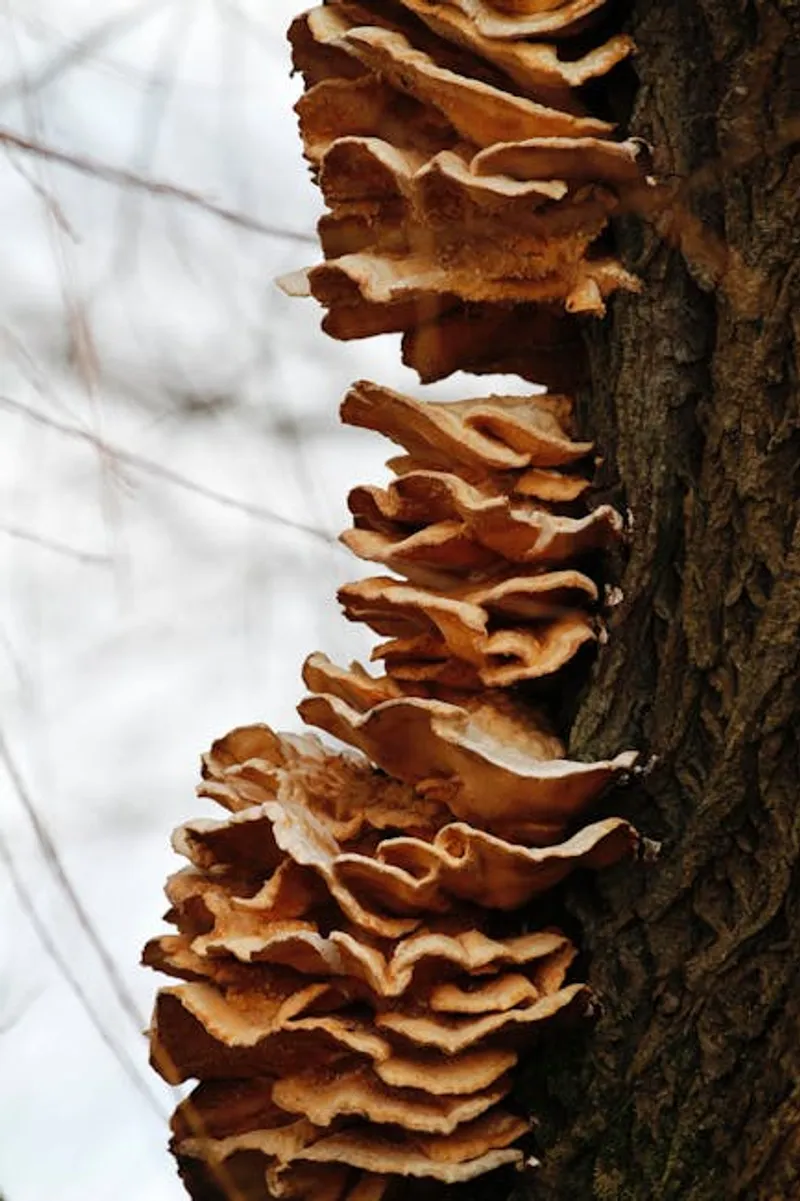
- What: Researchers have found that some dark, melanin-rich fungi in and around Chernobyl may grow better when exposed to ionizing radiation, possibly using it in a way that benefits them.
- Where: Chernobyl site in Ukraine
- When: After the 1986 Chernobyl disaster, with key studies reported in the 2000s
Inside and around the Chernobyl site in Ukraine, some fungi have done more than endure intense radiation. Researchers have reported that certain dark, melanin-rich fungi appear to grow better when exposed to ionizing radiation, raising the possibility that they can exploit part of that energy in a way that benefits them.
Melanin and Radiation Response
The key idea is melanin. In humans, melanin helps determine skin color and can absorb ultraviolet light. In some fungi, it may do more. After the 1986 Chernobyl disaster, scientists found melanized fungi colonizing highly radioactive areas, including spaces near the damaged reactor. That alone was striking. But later laboratory work pushed the story further: several studies suggested that ionizing radiation altered the fungi’s melanin in ways associated with faster growth or metabolic changes under nutrient-poor conditions.
One of the best-known reports came in the 2000s, when researchers studied fungi such as Cryptococcus neoformans and Cladosporium species. They found evidence that radiation exposure could increase growth relative to controls in some settings. The proposed mechanism was not that fungi were performing photosynthesis with radiation, and not that radiation suddenly became safe. It was a narrower and more unusual possibility: melanin might help capture and redirect some energy from ionizing radiation in a way that improves cellular activity.
What the Research Suggests
That distinction matters because the popular version of this story often turns into “fungi eat radiation.” That is too simple. The research suggests some melanized fungi may gain an advantage from radiation under specific conditions, not that radiation is harmless, not that all fungi can do this, and not that scientists have fully mapped the process. The effect remains an active area of study, with real findings but also real limits.
Why Chernobyl Fungi Matter
Still, the example is important. It shows that life can adapt to environments once assumed to be almost biologically empty. In practical terms, these fungi are now studied for what they might teach researchers about radiation tolerance, contaminated environments, and even how to shield living systems or materials in high-radiation settings. Chernobyl remains dangerous, but it also revealed something concrete: evolution can produce organisms that do not merely survive a radioactive world, but may partially turn that stress into an advantage.
Did You Know?
Melanin is also the pigment that helps protect human skin from ultraviolet light.