
🧪 Echoes from the lab
Silene stenophylla Regrown From 32,000-Year-Old Siberian Tissue
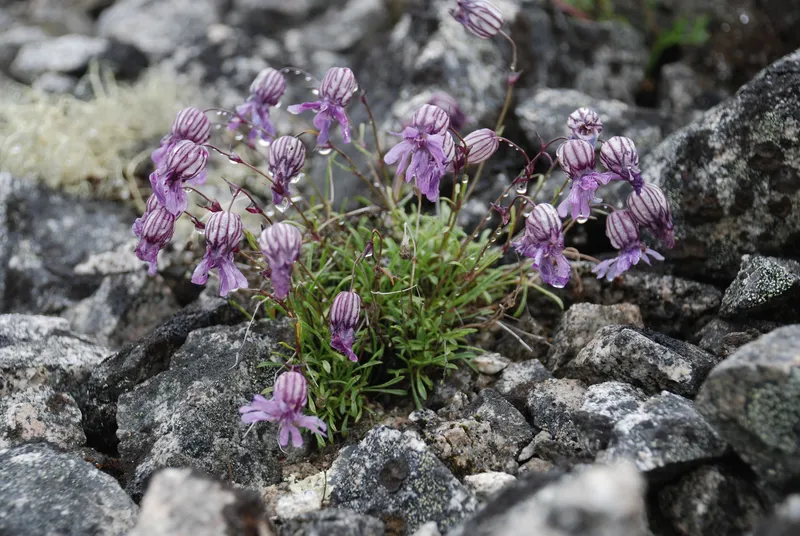
- What: Scientists regenerated living Silene stenophylla plants from ancient fruit tissue dated to about 32,000 years old, and the plants later flowered and produced viable seeds.
- Where: Permafrost deposits along the Kolyma River in northeastern Siberia.
- When: Ice Age material dated to roughly 31,800 years before present.
In Siberia, scientists regenerated Silene stenophylla from fruit tissue dated to about 32,000 years ago, then watched the plants grow, flower, and produce viable seeds. The result was not a fossil on display or a preserved specimen under glass, but living plants that could be compared directly with modern relatives.
Ancient Tissue From Permafrost
The material came from Ice Age ground squirrel burrows preserved in permafrost along the Kolyma River in northeastern Siberia. Researchers recovered ancient fruits and seeds from the frozen deposits, which were radiocarbon dated to roughly 31,800 years before present. Earlier attempts to germinate the ancient seeds themselves were unsuccessful. The breakthrough came when the team used placental tissue from the fruit and then regenerated whole plants through tissue culture.
That distinction matters. The plant was not grown by simply planting a 32,000-year-old seed in soil. Scientists isolated still-preserved reproductive tissue from the fruit and used lab methods to coax new plants from it. Those plants then developed normally enough to flower and set fertile seeds of their own.
Comparison With Modern Silene
Silene stenophylla is a flowering plant in the carnation family that still exists today in Siberia and nearby regions, which gave researchers a rare built-in comparison. The regenerated plants reportedly showed some differences from modern specimens, including traits such as petal shape and other reproductive features. Those details suggested that the ancient material preserved genetic variation not obvious in living populations now being sampled.
That is the real scientific value here. This was not about dramatic revival language. It was a way to place ancient biological material beside its present-day descendants and ask a direct question: what has changed over tens of thousands of years, and what has stayed stable enough to function? In most cases, scientists only get fragments of that story from DNA sequences, pollen records, or preserved remains. Here, they had flowering plants making seeds in real time.
Scientific Significance of Regrowth
The broader context is permafrost preservation. Frozen ground can protect tissues for extremely long periods, but recoverable living cells are still unusual and highly dependent on conditions. Silene stenophylla became notable because it offered an unusually concrete comparison between Ice Age plant tissue and modern populations of the same species.
The practical implication is straightforward: ancient preserved tissues can sometimes reveal biological traits that are missing, rare, or overlooked in modern lineages. For plant science, that creates a direct window into long-term change in genomes, reproduction, and survival under shifting climates.
Did You Know?
Silene stenophylla is still a living species in Siberia today, which let researchers compare the regenerated Ice Age plants directly with modern relatives.