
🎭 Fragments from the heart of civilization
Dvořák in America and the Search for a National Sound
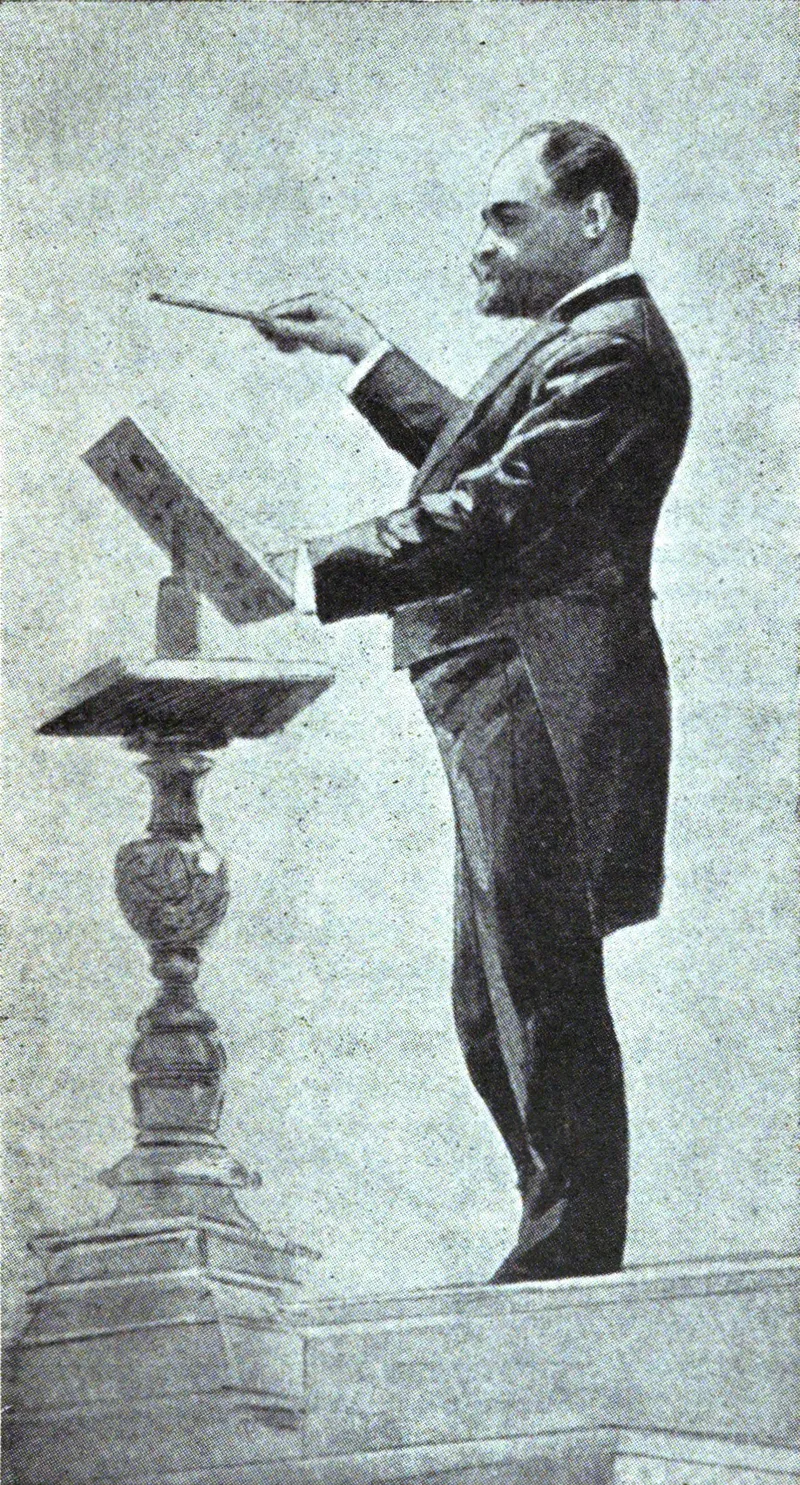
- What: Antonín Dvořák urged American composers to build a national classical music from American sources, especially African-American and Native American traditions, rather than copying European models.
- Where: New York City, at the National Conservatory of Music.
- When: 1892–1893, in the late 19th century.
When Antonín Dvořák arrived in the United States in 1892 to lead the National Conservatory of Music in New York, he did not tell American composers to imitate Europe more closely. He told them to look closer to home.
Dvořák’s American Music Argument
His argument was simple but loaded: if the United States wanted a serious national music, it had to grow from American life, not from borrowed European habits. And when Dvořák said “their own soil,” he did not mean a vague patriotic mood. He pointed elite composers toward traditions they often ignored, especially African-American music and, more broadly, Native American materials.
The clearest example came in 1893, when Dvořák said that what were then commonly called Black “melodies” could become the foundation of an American school of composition. He was influenced in part by Harry T. Burleigh, a Black singer and student at the conservatory who sang spirituals for him. Dvořák admired those songs deeply. At the same time, he also expressed interest in Native American music and imagery, including in connection with Longfellow’s The Song of Hiawatha. His Symphony No. 9, From the New World, does not straightforwardly quote spirituals or tribal songs, but it was shaped by his belief that American composers should draw seriously from those worlds rather than treat them as marginal.
Influence on American Classical Music
That mattered because the advice landed in elite classical spaces. Dvořák was already internationally respected, so when he argued that America’s musical future was not in copying Vienna or Leipzig, he gave institutional weight to sources many white composers and critics had dismissed. That did not settle the question fairly or permanently. African-American and Native traditions are not interchangeable, and both have often been filtered, romanticized, or mined without equal credit or power. Dvořák’s role was not to “discover” them. They already existed as living traditions with their own makers, histories, and meanings.
Still, his intervention changed the conversation. In late 19th-century New York, a major European composer publicly told the American establishment that the country’s most important musical resources were not overseas. They were already here, in communities the establishment had not treated as central. The concrete implication is hard to miss: one of the earliest high-profile arguments for an “American” classical sound explicitly redirected attention toward Black and Native cultural sources, and that redirection helped define the debate that followed.
Did You Know?
Dvořák’s Symphony No. 9, From the New World, had its premiere at Carnegie Hall in New York City in 1893.