
🫀 Secrets of the human vessel
Legionnaires' Disease Outbreak Linked to Dutch Flower Show Spa
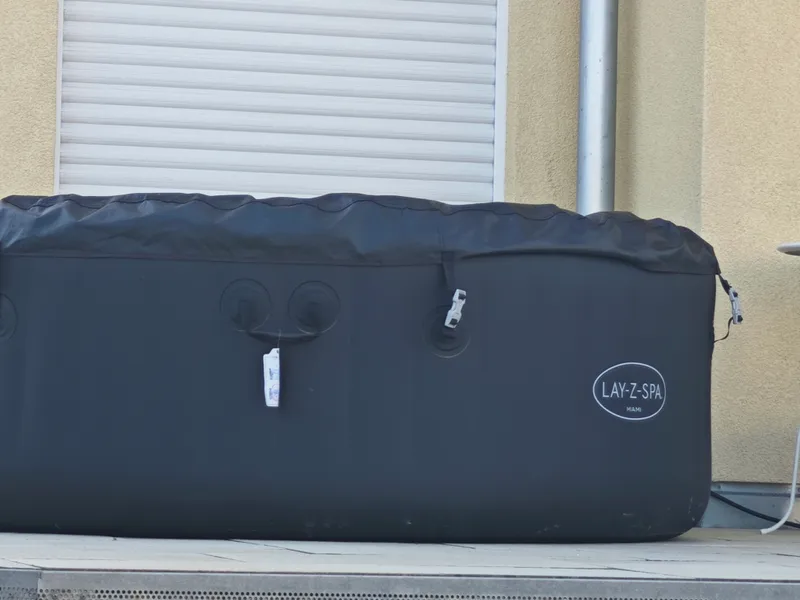
- What: A 1999 Legionnaires’ disease outbreak was traced to whirlpool spa displays at a flower show, where contaminated aerosolized water likely infected visitors.
- Where: Westfriese Flora flower show in Bovenkarspel, the Netherlands.
- When: 1999.
In 1999, one of the Netherlands’ most serious Legionnaires’ disease outbreaks was traced to an unexpected source at the Westfriese Flora flower show in Bovenkarspel: whirlpool spa displays.
How the Flower Show Exposure Happened
The event seemed ordinary enough. It was a major public flower exhibition, drawing large crowds. Among the displays were working whirlpool spas, meant to attract attention like any other trade-show feature. But the warm water inside them created the right conditions for Legionella bacteria, and the bubbling action helped send contaminated droplets into the air.
People did not need to get into the water to be exposed. Legionnaires’ disease spreads when someone inhales tiny aerosolized water droplets containing Legionella. That is what made the outbreak so unsettling. A device associated with comfort and leisure became, in a crowded indoor setting, a vehicle for a severe lung infection.
Outbreak Investigation and Source
After visitors began falling ill, investigators worked backward through the cluster of pneumonia cases. The outbreak was eventually linked to the flower show, and the whirlpool spa displays emerged as the most likely source. The scale was severe: hundreds of people became sick, and dozens died. It became a widely cited example in Europe of how public water systems and decorative or recreational displays can seed a deadly outbreak without obvious warning signs.
Legionella Risk in Public Water Features
What happened at Westfriese Flora mattered beyond the immediate toll. The case sharpened attention on how Legionella can spread in places not usually seen as high-risk by the public: exhibition halls, hotel plumbing, cooling systems, fountains, spas, and other installations that combine standing or heated water with fine mist. The danger is not the sight of water itself, but the invisible pathway created when contaminated water is dispersed into breathable air.
The concrete implication was simple and serious. Public-facing water features could no longer be treated as harmless background attractions. The Dutch outbreak showed that maintenance, disinfection, and design controls are not technical footnotes. In crowded indoor spaces, they can be the difference between a display and a disaster.
Did You Know?
The 1999 outbreak led Dutch authorities to tighten attention on Legionella risks in public water attractions and indoor display systems.