
🏆 Legends born in the arena
1904 Olympic Marathon and Its Strange St. Louis Finish
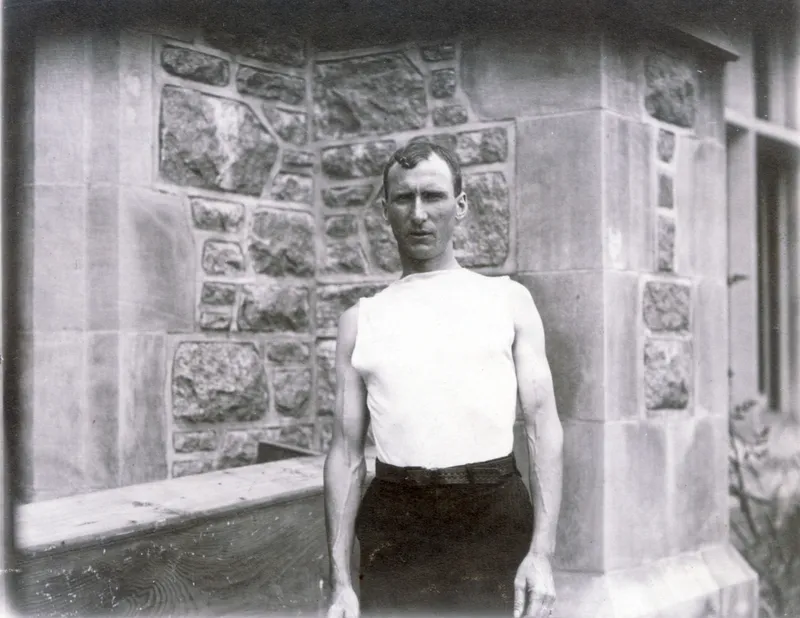
- What: The 1904 Olympic marathon became infamous for chaotic conditions, extreme dehydration, Fred Lorz’s disqualification, and Thomas Hicks’s unusual and physically punishing win.
- Where: St. Louis, on a hilly, dusty course outside the city.
- When: August 30, 1904, during the 1904 Olympic Games.
The 1904 Olympic marathon in St. Louis is still remembered as one of the strangest races in Olympic history. Not because of a photo finish or a record time, but because the event itself was chaotic, lightly regulated, and at times openly dangerous.
Race Conditions and Dehydration
The race unfolded on August 30, 1904, in brutal late-summer heat. Dust from the road hung in the air as runners moved along hilly, uneven paths outside St. Louis. Organizers had placed very few water stations on the course. Their approach reflected an early and badly tested theory of “purposeful dehydration,” with some officials believing athletes should learn to function with limited water.
That decision shaped the race. Many runners slowed, staggered, or dropped out. American runner Fred Lorz became part of the day’s most famous controversy when he left the course after severe exhaustion and accepted a ride in an automobile for part of the distance. The car later broke down, and Lorz re-entered the race on foot, crossing the finish line ahead of everyone else. For a moment, he was treated as the winner. Lorz later said it had been a joke, but officials disqualified him.
Fred Lorz and Thomas Hicks
The official champion was Thomas Hicks, another American. His finish was even more unsettling. During the race, his handlers gave him small doses of strychnine and brandy, a stimulant method that was not yet banned in the way it would be later. At the time, coaching and medical oversight were far looser than modern audiences would expect. Hicks was helped across the line by his support team after becoming severely weakened. He was declared the winner with a time of 3 hours, 28 minutes, and 53 seconds.
Other stories from that marathon have grown into legend, so the details need care. Reports of dramatic roadside incidents and unusual participants are real parts of the race’s history, but some retellings blend documented facts with exaggeration. The clearest point is simpler than the mythmaking: this was a race run under conditions that were poorly controlled even by the standards of its day.
Why the 1904 Marathon Matters
That is what makes the 1904 St. Louis marathon so revealing. Its bizarre finish did not come from one random prank or one eccentric athlete. It came from an Olympic event staged before endurance racing had settled on basic norms for hydration, officiating, and athlete safety. Hard fact: of the 32 runners who started, only 14 officially finished.
Did You Know?
The marathon was held on dirt roads, which helped create so much dust that one official later described the course as a “dusty furnace.”