🌍 Records from the halls of power
Iran Crown Jewels Stayed Locked During the 1979 Revolution
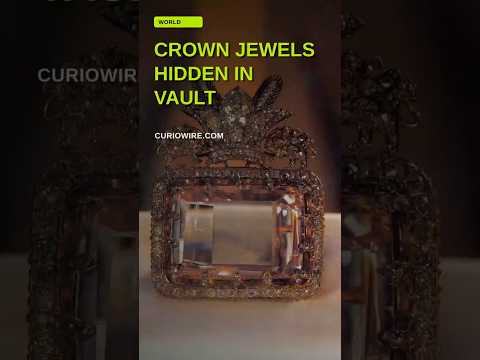
- What: Iran’s crown jewels survived the 1979 revolution because they had already been transferred into state custody and tied to the country’s financial system, not kept as private royal property.
- Where: Central Bank of Iran vaults in Tehran.
- When: After the 1930s transfer under Reza Shah and through the 1979 Iranian Revolution.
In 1979, Iran’s monarchy fell. But the crown jewels did not vanish with it. Instead, one of the world’s most famous royal collections stayed where it had been placed years earlier: locked inside the vaults of the Central Bank of Iran in Tehran.
Crown Jewels and State Finance
That detail matters because the jewels were no longer simply court luxury. By the time of the Iranian Revolution, they had been folded into the state’s financial structure. Under Reza Shah Pahlavi in the 1930s, the collection was transferred to the national treasury, and its value was used as part of the backing for Iran’s currency. So when the political order changed in 1979, the jewels were not treated as personal property to be carried off with the dynasty. They were already institutional assets.
The revolution itself reshaped the country at every level. The Pahlavi monarchy collapsed, Ayatollah Ruhollah Khomeini returned to Iran, and the new Islamic Republic took power. In many revolutions, royal collections are scattered, looted, sold abroad, or hidden for decades. That is the usual assumption here too. But in Iran’s case, the crown jewels remained in the bank vaults and, importantly, remained under state control.
Why the Jewels Stayed
This is where a common misconception slips in. People often imagine crown jewels as a monarch’s private treasure chest, separate from the machinery of government. Iran’s collection had become something different. It still carried the symbolism of kingship, but legally and financially it had been embedded in the state. That did not make it politically neutral, but it did make it harder to treat as something portable.
What Happened After 1979
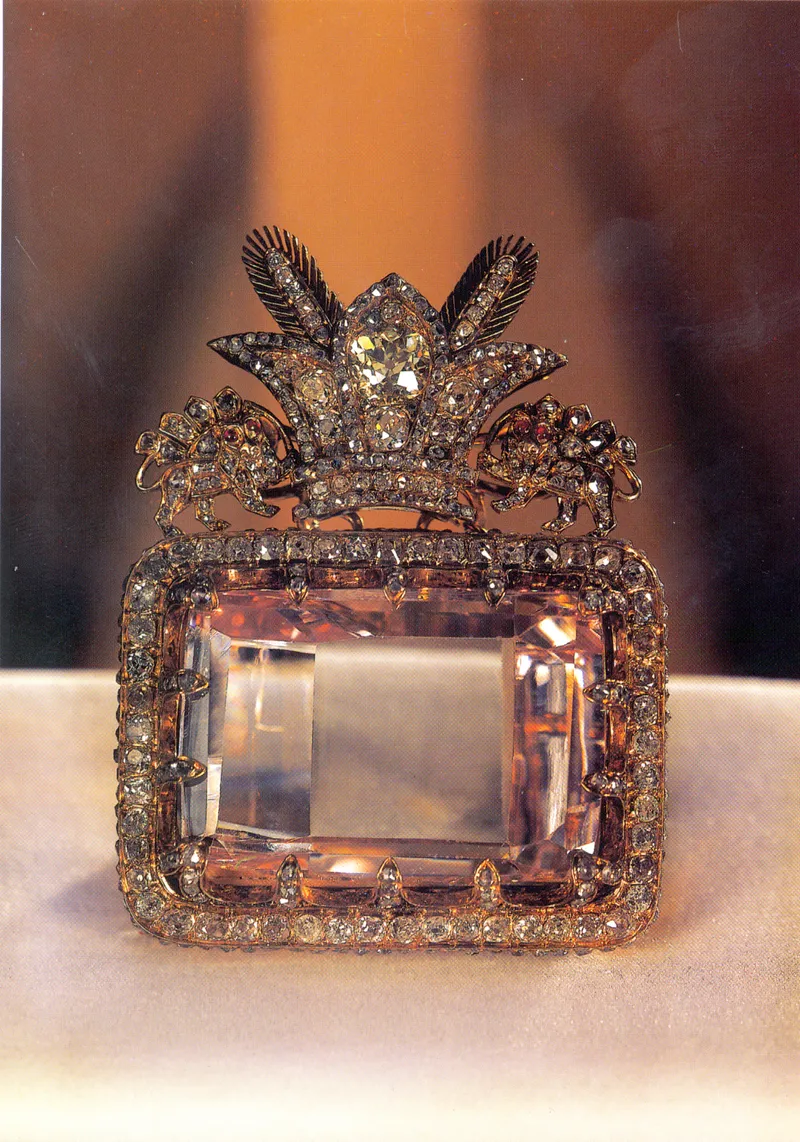
The collection includes objects such as the Pahlavi Crown, the Naderi Throne, and gemstones that had accumulated across dynasties. After the revolution, public access changed over time, but the jewels were not lost. They were later reopened for exhibition at the treasury museum, intact as a collection and still associated with the Central Bank system.
The hard fact is simple: one of the most dramatic regime changes of the 20th century did not scatter Iran’s crown jewels, because by then they were locked in a central bank vault and tied to the country’s monetary foundation.
Did You Know?
The Central Bank of Iran’s Treasury of National Jewels in Tehran is also a public museum, though access can be limited.