
🎭 Fragments from the heart of civilization
Rite of Spring Riot: How a Premiere Became Legend
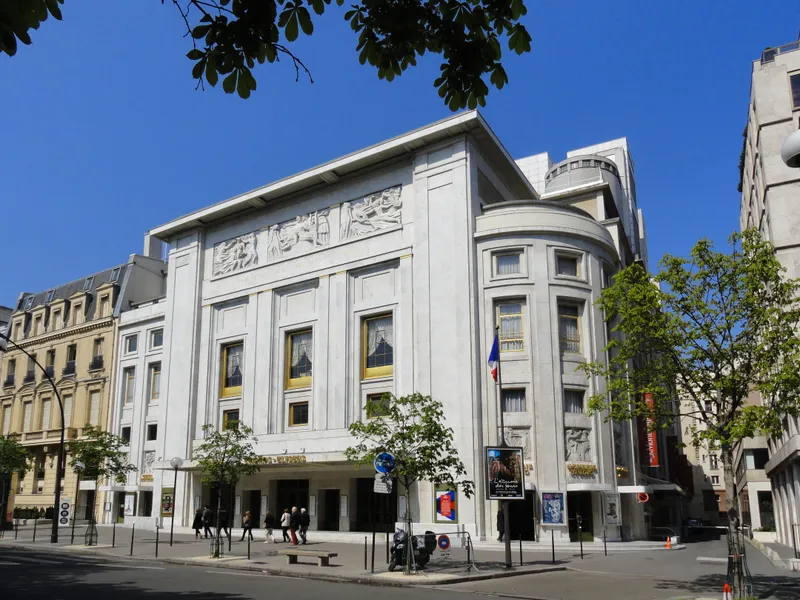
- What: The article explains that the notorious 1913 premiere of Stravinsky’s The Rite of Spring was noisy and disruptive, but the scale of the “riot” is less certain than the legend suggests.
- Where: Théâtre des Champs-Élysées, Paris.
- When: May 1913.
Paris, May 1913. At the Théâtre des Champs-Élysées, Igor Stravinsky’s The Rite of Spring began with a bassoon pushed high into an unfamiliar register. Then the dancers entered with heavy, grounded movements choreographed by Vaslav Nijinsky, nothing like the airy elegance many balletgoers expected. Very quickly, the room turned hostile.
What Happened at the Premiere
What happened at that premiere has been repeated so often that it now feels fixed: modernism arrived, the audience rioted, and art changed forever. The basic outline is true enough. There was shouting, laughter, whistling, and disruption during the Ballets Russes performance. Accounts describe arguments in the audience and enough noise that dancers allegedly struggled to hear the orchestra. Nijinsky reportedly called out counts from the wings to keep them together. Police were present or summoned, depending on the account. But the exact scale of the “riot” is less settled than the legend suggests.
That uncertainty is part of what makes the event so revealing. The premiere was provocative on several fronts at once. Stravinsky’s score used pounding rhythms, sharp accents, and dissonance. Nijinsky’s choreography emphasized turned-in feet, stomping, and collective force over graceful display. Nicholas Roerich’s designs framed the ballet as a ritualized vision of ancient Russia. Some audience members were fascinated. Others were amused, offended, or eager to perform their own outrage in public. Parisian premieres were already social theaters, and scandal could become part of the show.
Why the Audience Reacted
The misconception is that the evening matters mainly because audiences were too backward to understand genius. That flattens what actually happened. The work was difficult, yes, but the uproar also grew from expectation, class display, competing artistic camps, and the pleasure of confrontation in a crowded room. Not everyone hated it. Not every witness described the same level of chaos. No definitive proof fixes one clean version.
The Riot's Lasting Myth
What lasted was the story. Over time, the 1913 premiere became modernism’s perfect origin myth: the new art so powerful it made people lose control. That myth helped canonize the ballet and gave later generations a dramatic shorthand for cultural shock. The real significance is not just that The Rite of Spring caused an uproar in Paris, but that the uproar itself was curated by memory into evidence of what modern art was supposed to do.
Did You Know?
After the premiere, the ballet was performed again in Paris later that season, despite the controversy.