⚙️ Traces from the dawn of innovation
USB Boot History: Why Early Flash Drives Used ZIP Mode
- What: Early bootable USB drives often had to emulate floppy or ZIP disks because many older PC BIOS versions could not reliably boot a generic USB hard drive.
- Where:
- When: Late 1990s and early 2000s, especially around the Windows XP era.
Early bootable USB drives often had to pretend to be something else. In the late 1990s and early 2000s, many PC BIOS implementations could see a USB device but still could not reliably boot a generic USB hard drive. To get around that limitation, boot tools and flash drives were commonly set up to emulate older disk types such as a floppy disk or an Iomega ZIP drive.
Why USB-ZIP and USB-FDD Existed
The reason was practical, not quirky. BIOS firmware of that era usually expected a small set of familiar boot device layouts. A USB stick in “USB-HDD” mode could be inconsistent across systems: one motherboard might boot it, another might ignore it, and a third might list it only under a strange submenu. “USB-FDD” and “USB-ZIP” modes existed because they matched storage geometries and boot behavior that many BIOSes already knew how to handle.
A typical example came from early USB boot utilities and installer tools in the Windows XP era. Some programs offered options that look odd today: format the drive as USB-FDD, USB-ZIP, or USB-HDD. That was not cosmetic. If a machine refused to start from a normal hard-disk-style USB layout, switching the same flash drive to ZIP emulation could suddenly make it boot. On some systems, especially around the early 2000s, that was the difference between a dead end and a working installer, diagnostics tool, or recovery environment.
Why ZIP Emulation Worked
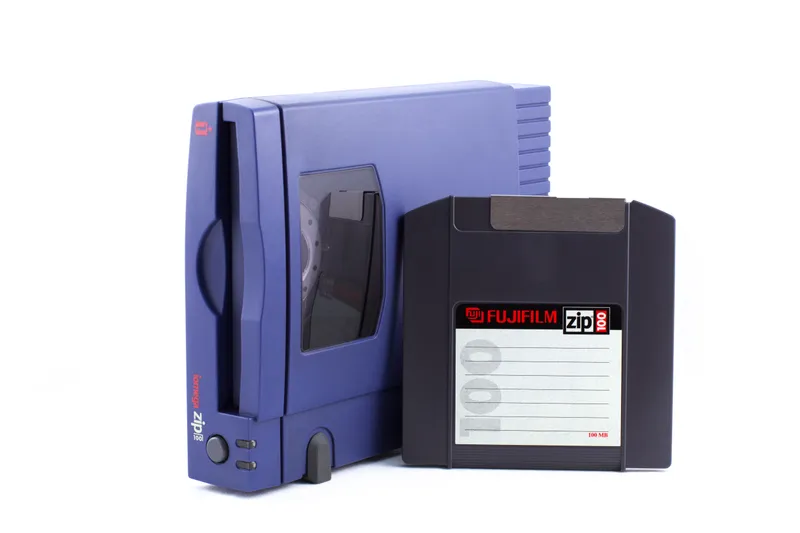
The ZIP option mattered because the Iomega ZIP drive had become a known storage model in the PC ecosystem by the late 1990s. BIOS vendors had added support for it, or for layouts compatible with it, before generic flash-drive booting had fully settled into a standard expectation. So bootable USB media sometimes succeeded by fitting into an older category the firmware already recognized.
That detail captures a wider truth about early PC compatibility. New hardware often spread faster than firmware assumptions changed. USB flash drives were modern and convenient, but the code that started a computer still carried older ideas about what a boot disk should look like. Emulation modes were a bridge between those two worlds.
Old PC USB Boot Problems
The concrete implication is simple: if an old PC from roughly the early 2000s seems irrationally picky about booting from USB, it may not be failing at USB itself. It may be expecting the flash drive to resemble a floppy, a ZIP disk, or another legacy device class before it will start.
Did You Know?
Iomega’s ZIP drive was introduced in 1994, which helped make ZIP-style boot emulation familiar to BIOS firmware of the era.