
⚙️ Traces from the dawn of innovation
The Creeper Virus: Birth of the First Computer Threat
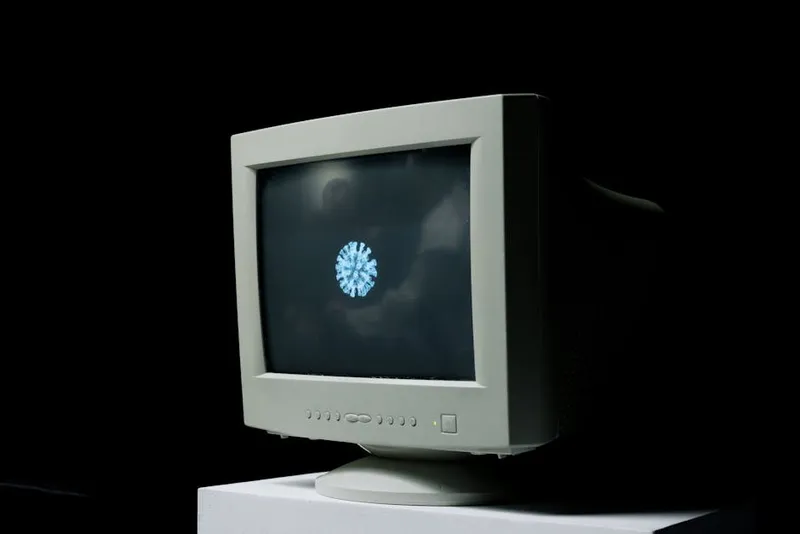
- What: The article discusses the emergence of the first computer virus, Creeper, on ARPANET and its implications for cybersecurity.
- Where: ARPANET.
- When: Early 1970s.
In the early 1970s, a groundbreaking experiment took place on ARPANET, the precursor to the modern internet. This experiment led to the emergence of the first computer virus, known as Creeper.
Creeper was not malicious in the way we think of viruses today. Instead, it was a self-replicating program that spread from one computer to another, exploiting the network's lack of security protocols. It traveled through ARPANET, displaying the message, "I'm the creeper, catch me if you can!"
This playful message masked a significant vulnerability in the burgeoning world of computer networks. As Creeper spread, it highlighted the need for improved security measures, paving the way for future innovations.
In response to Creeper, the first antivirus program was created, called Reaper. This marked the beginning of a cat-and-mouse game between viruses and antivirus software that continues to this day.
The legacy of Creeper serves as a reminder of the importance of cybersecurity in our increasingly connected world. What started as a harmless experiment has evolved into a complex landscape of digital threats.
Did You Know?
The term "computer virus" was first coined in the early 1980s, well after the Creeper virus was created.