
🫀 Secrets of the human vessel
Infant Candidemia Outbreak Linked to Contaminated NICU Syringes
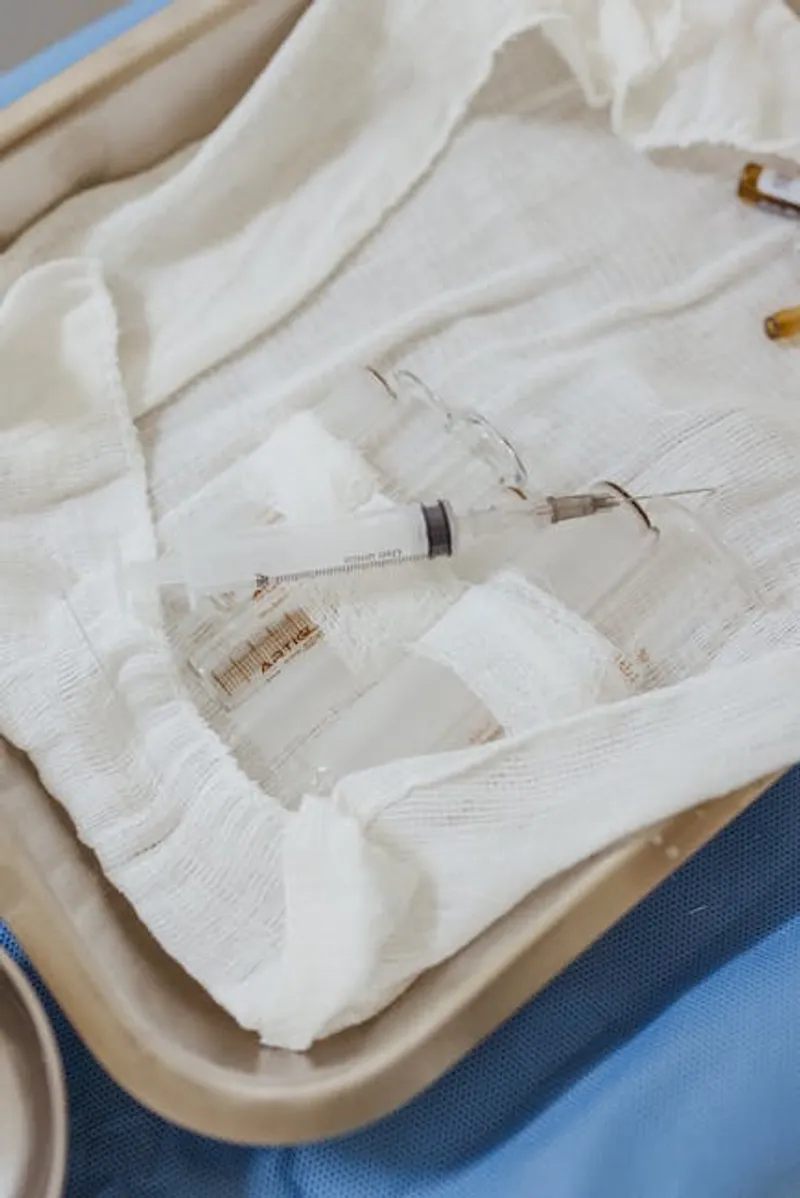
- What: A neonatal intensive care unit Candida bloodstream outbreak was linked to contaminated retrograde syringe fluid used during parenteral nutrition, rather than to the nutrition solution itself.
- Where: A neonatal intensive care unit (NICU).
- When:
In a neonatal intensive care unit, a dangerous infant candidemia outbreak was linked to an ordinary medication step: syringe fluids contaminated with Candida and then administered through central lines during parenteral nutrition.
Bloodstream Infections in NICU Infants
The alarm started with bloodstream infections in vulnerable newborns. These babies were already receiving intensive care, many of them dependent on central venous catheters and intravenous nutrition. In that setting, Candida in the bloodstream is especially serious. It can spread quickly, and in premature or critically ill infants, even a small breach in sterile handling can have outsized consequences.
Investigators worked backward from the infections. Central lines, parenteral nutrition, medication preparation, and shared clinical routines all came under scrutiny. What emerged was not a dramatic equipment failure, but a hidden contamination route inside a familiar workflow. Retrograde medication syringe fluids used during care around central-line nutrition had become contaminated with Candida. Once introduced into the line, the fungus had a direct path into the infants’ circulation.
Contaminated Syringe Fluid Route
That finding matters because it shifts the focus from the nutrition solution alone to the handling steps surrounding it. In NICU care, attention often centers on the catheter, the infant’s condition, and the sterile compounded nutrition itself. But this outbreak showed that a routine supporting action, one easy to treat as minor, can become the critical weak point.
The broader consequence is practical and unsettling: infection risk in high-acuity neonatal care does not depend only on the obvious products entering a line. It can also depend on transient syringe contents, brief manipulations, and moments of line access that may seem secondary during a busy shift. In a unit where infants are exposed through central access for long periods, those moments carry real weight.
Candida Transmission During Parenteral Nutrition
What this outbreak made concrete is simple. The source was not a mystery pathogen appearing at random in a NICU. The likely source was Candida-contaminated retrograde syringe fluid entering central lines during parenteral nutrition, turning a routine medication-related step into a mechanism of a bloodstream outbreak.
Did You Know?
Candida bloodstream infections are especially dangerous in premature infants because their immune systems are still immature.