
🏺 Recovered from the dusty archives
7 Animal Disruptions That Changed Military Operations
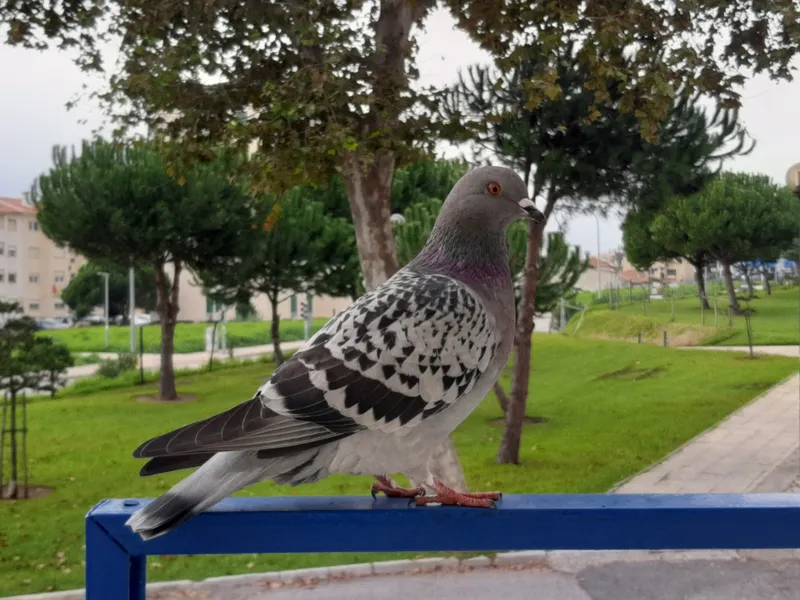
- What: This article explains how animals' unpredictable behavior has repeatedly disrupted military plans by exposing movement, breaking formations, delaying transport, and undermining battlefield control.
- Where: Military settings across varied environments, including battlefields, deserts, rivers, and shorelines.
- When: Across military history, from ancient warfare to more modern conflicts.
Military operations are usually remembered for plans, weapons, and commanders. But sometimes the thing that changes a moment is an animal reacting exactly like an animal.
Across mounted warfare, desert transport, field communications, and stealth movement, animals have unintentionally disrupted tactics, secrecy, logistics, and timing. These seven patterns show how quickly control could vanish.
1. Horses bolting at critical moments
In battle, a horse was never just transportation. It was part of the formation. When a mount bolted under noise, smoke, or sudden shock, it could throw riders out of position and tangle the line around them.
That mattered because mounted units depended on timing and cohesion. One frightened horse could force an abrupt pause, break momentum, or trigger a wider retreat at exactly the worst moment.
2. Carrier pigeons compromising secrecy
Carrier pigeons were meant to solve a battlefield problem: how to send messages when other lines failed. But their flight paths and vulnerability created a different risk. Opposing forces could track, shoot down, or capture them.
The surprise is that a messenger bird could become an intelligence leak. A captured pigeon or a watched route could help reveal where a unit was operating or how its communication network worked.
3. Dogs unintentionally triggering alarms
Dogs around military positions could be useful, but they could also ruin stealth. A barking dog, a disturbed sentry post, or an animal tripping something in the dark could trigger an alert before an infiltrator was ready.
That changed outcomes because surprise is fragile. If a dog made enough noise at the wrong second, an attack that depended on silence could lose its advantage immediately.
4. Panicked mules wrecking loads
Pack mules carried the unglamorous essentials of war: ammunition, equipment, and supplies. During a night move, a withdrawal, or any chaotic stretch of terrain, panic could make them scatter, collide, or crush what they were carrying.
The result was not just confusion in the moment. It could leave a unit short of ammunition or gear during the next contact, turning a transport problem into a combat problem.
5. Waterfowl flushing during river or shore crossings
Stealthy crossings depend on staying quiet until the landing is already underway. But flocks of swans, geese, or ducks can explode into noise when boats approach or men step ashore.
That is what makes this so disruptive. A sudden burst of wings and sound can broadcast movement to defenders nearby, undermining the entire purpose of a silent approach.
6. Camels balking under fire
In desert operations, camels were valuable for moving loads through terrain that challenged other transport. But under gunfire or on bad footing, they could balk and simply refuse to move.
That refusal had a direct tactical cost. Supplies stalled, loads were stranded, and resupply plans became slower and more exposed just when desert operations demanded reliability.
7. War elephants panicking into friendly ranks
Ancient sources describe a brutal reversal: elephants intended to smash enemy lines sometimes panicked under missile fire and confusion, then turned back into their own side.
That made them one of history's most dramatic battlefield liabilities. An asset built for shock and intimidation could suddenly trample friendly ranks and collapse the order it was supposed to protect.
The pattern across all seven is simple and unsettling: armies could plan around enemies, terrain, and weather, but living animals had their own reactions, and those reactions sometimes changed everything in seconds.
Did You Know?
In 1943, the Dickin Medal—often called the animal Victoria Cross—was created in the UK to honor animals that served in war.