
🚀 Whispers from the silent cosmos
Mars Recurring Slope Lineae May Be Dry Dust Flows
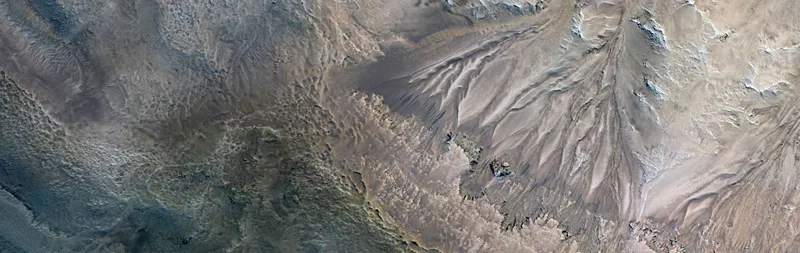
- What: Many Martian recurring slope lineae, once thought to hint at salty liquid water, are now more strongly explained as dark streaks made by dry dust and sand moving downhill.
- Where: Steep slopes on Mars.
- When: They often darken during warmer seasons and fade later.
For years, some of the most talked-about dark streaks on Mars were treated as possible signs of salty liquid water. Now the stronger explanation is less dramatic but more solid: many of those features appear to come from dry dust and sand moving downhill.
What Are Recurring Slope Lineae?
The streaks are called recurring slope lineae, or RSL. NASA’s Mars Reconnaissance Orbiter spotted them on steep Martian slopes, where they seem to darken during warmer seasons and fade later. That timing made them famous. If the marks were appearing when temperatures rose, it was easy to imagine briny water briefly flowing across the surface before evaporating or freezing.
That idea got attention because Mars is cold and dry today, and any active liquid water would be a major finding. But the surface details never fully settled the case. RSL are narrow, dark, and seasonal, yet many occur where conditions are still harsh for stable surface water. Over time, researchers compared the streaks with slope processes on Earth and with high-resolution orbital data from Mars. The picture shifted.
Dry Dust Flow Explanation
Instead of wet flows, many scientists now link these lineae to dry granular movement. In simple terms, thin layers of dust or sand can destabilize on steep slopes. As grains move downhill, they expose slightly darker material underneath or change how the surface reflects light. That can make a slope look as if a fresh dark flow just happened, even without liquid involved.
A key example comes from how these streaks behave across different terrains and seasons. They often form in places where loose material can slip and where sunlight and temperature changes may help trigger small avalanches or grain flows. That pattern fits a dry process better than active near-surface brines in many locations.
Why RSL Matter Now
The misconception is that dark, seasonal marks automatically mean water. On Mars, they do not. Seasonal change can come from shifting dust just as easily as from liquid, and in this case the dry explanation now leads because it fits the broader evidence more consistently.
That does not mean Mars has no water history, or that all Martian slope activity is fully understood. It means one specific feature once seen as some of the best modern evidence for flowing water is now better explained as moving grains. In practical terms, recurring slope lineae are less useful as targets in the search for present-day liquid water on Mars, and more useful for understanding how the planet’s dusty surface still changes today.
Did You Know?
NASA’s Mars Reconnaissance Orbiter is the spacecraft credited with spotting these streaks on Mars.