
🚀 Whispers from the silent cosmos
US Space Mining Law and the Asteroid Ownership Debate
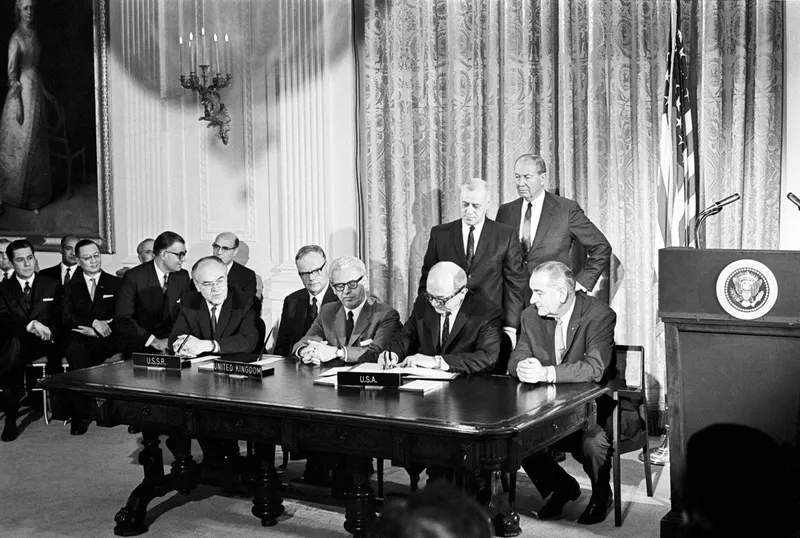
- What: The article explains that U.S. law allows private ownership of asteroid resources after extraction, while the Outer Space Treaty forbids countries from claiming sovereignty over celestial bodies.
- Where: Outer space, including asteroids and other celestial bodies.
- When: Since the 1967 Outer Space Treaty and the 2015 U.S. law.
In the United States, a 2015 law says American citizens and companies can own the resources they extract from asteroids. That sounds simple until it runs into an older rule of space law: under the 1967 Outer Space Treaty, countries cannot claim outer space, the Moon, or other celestial bodies as national territory.
Outer Space Treaty vs U.S. Law
The key distinction is the one lawyers keep circling back to. The treaty bans sovereignty. It says nations cannot appropriate celestial bodies “by claim of sovereignty, by means of use or occupation, or by any other means.” The U.S. Commercial Space Launch Competitiveness Act does not say the United States owns an asteroid. Instead, it says a U.S. citizen engaged in commercial recovery of an asteroid resource or space resource is entitled to possess, own, transport, use, and sell what they obtain, subject to applicable law.
That wording created the legal wrinkle. Supporters argue this is similar to catching fish on the high seas or extracting resources without claiming the ocean itself. In that view, owning the material is not the same as owning the place it came from. Critics respond that, in practice, exclusive control over extracted resources could still edge close to appropriation, especially if a company needs to keep others away from a mining site to operate safely.
Asteroid Mining Laws Worldwide
The issue is not just theoretical. In the 2010s, companies such as Planetary Resources and Deep Space Industries helped push public discussion about asteroid mining, even though commercial asteroid extraction has not yet happened at scale. Luxembourg passed its own space resources law in 2017, and other countries have explored similar frameworks. That means the debate is no longer just about one U.S. statute. It is about whether national laws can fill gaps before there is a more detailed international system.
The consequence is practical. If companies are expected to invest billions in spacecraft, robotics, and return missions, they want legal certainty that they can sell what they recover. But if countries define those rights differently, disputes become easier to imagine: who gets priority at a valuable site, how much exclusion is allowed, and what counts as resource ownership without turning into territorial control?
Who Owns Extracted Resources?
For now, the core rule remains split but not identical: the Outer Space Treaty bars national ownership of celestial bodies, while U.S. law recognizes private rights in extracted asteroid materials. That distinction may hold, or it may be tested when a real mission brings back commercially valuable space resources and someone asks who, exactly, has the right to keep them.
Did You Know?
NASA’s OSIRIS-REx mission returned the first U.S.-collected asteroid sample to Earth in 2023.