🕯️ Notes from the casefile
5 Forensic DNA Sources Found in Odd Places
- What: This list explains how forensic investigators can recover usable DNA from unexpected or degraded materials, showing that evidence can survive in unusual substrates and still help link people to crimes.
- Where: Forensic crime-scene and laboratory contexts.
- When: Modern forensic casework and research.
Forensic DNA is usually imagined as blood, hair, or a clean swab from a clear surface. Real casework is often much messier.
Sometimes usable DNA turns up in places that seem too dirty, too exposed, or too random to matter. These five examples show how unusual substrates can still produce profile-level DNA and sometimes help connect a person to a scene, an object, or an account.
1. Chewing gum buried with stolen jewelry yields profile
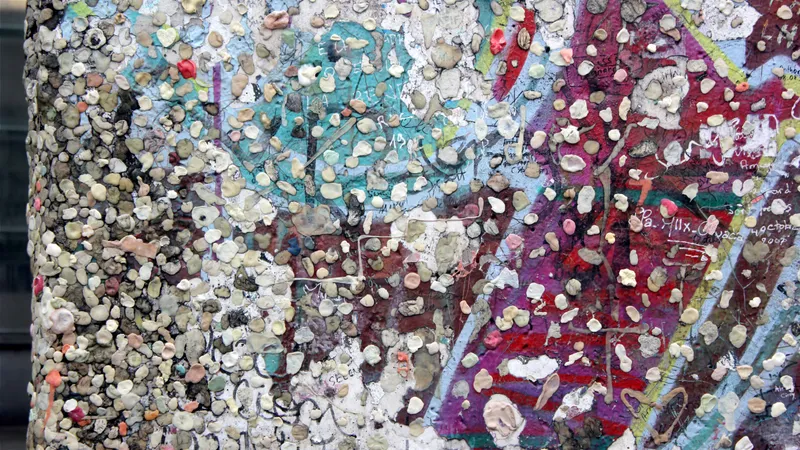
A piece of chewed gum recovered near a hidden cache of stolen jewelry turned out to be more than trash. Because saliva can cling to the gum for long periods, forensic teams were able to recover DNA from it even months later.
What makes this one striking is the setting: buried near concealed stolen property. The gum did not just sit nearby, looking suspicious. It allegedly preserved enough biological material to link a suspect to the hidden items, turning something ordinary and disposable into evidence with real weight.
2. Insect gut contents carry victim or perpetrator DNA
This is where forensic entomology gets unexpectedly powerful. Research has shown that scavenging insects can carry human DNA in their gut contents or regurgitate, and in some investigations, those traces have produced profiles after other human samples degraded.
That matters because decomposition and exposure can wipe out more obvious evidence. Insects feeding in or around remains may preserve human genetic material when the scene itself seems stripped bare, giving investigators another route to identification or corroboration.
3. Lipstick on a car window preserved a suspect's trace DNA
A lipstick smear on vehicle glass might look like a visual clue first and a DNA source second. But epithelial cells left in that cosmetic residue can sometimes be enough to generate a profile.
In this instance, the smear on the car window reportedly yielded trace DNA that was used as an investigative lead. The surprise is not just that lipstick can hold DNA, but that a thin cosmetic mark on glass can preserve enough cells to matter in a forensic workflow.
4. Old cigarette butt in storm drain survives season and links suspect
Cigarette butts are already known to carry saliva DNA, but weather usually seems like the enemy. Here, an old cigarette butt recovered from a storm drain after months of exposure still retained enough DNA to generate a usable profile.
That is what makes it memorable. A drain is wet, dirty, and constantly contaminated, yet the discarded butt still reportedly held a usable sample. In forensic terms, it shows how stubborn recoverable DNA can be, even after a season outdoors.
5. Stucco flakes trapped under nails preserved touch DNA
Debris under fingernails is easy to overlook if it looks like simple grime from daily life. But at renovation or break-in scenes, tiny building fragments such as stucco flakes can carry touch DNA from contact with the site.
Under-nail swabs and trapped debris have helped connect suspects to break-ins by preserving genetic material alongside the scene-specific particles themselves. The oddity here is the combination: not just DNA under nails, but DNA riding in with construction material that places the contact in a very particular environment.
Together, these cases and research-backed examples show the same lesson: in forensic work, usable DNA does not always wait in obvious places. Sometimes it survives in gum, insects, cosmetics, cigarette waste, or grit caught under nails, and that is exactly what makes it so powerful.
Did You Know?
Forensic DNA profiling became widely practical in the late 1980s after Alec Jeffreys developed DNA fingerprinting in 1984.