
🫀 Secrets of the human vessel
Prion Sterilization Protocols Changed After 1970s CJD Cases
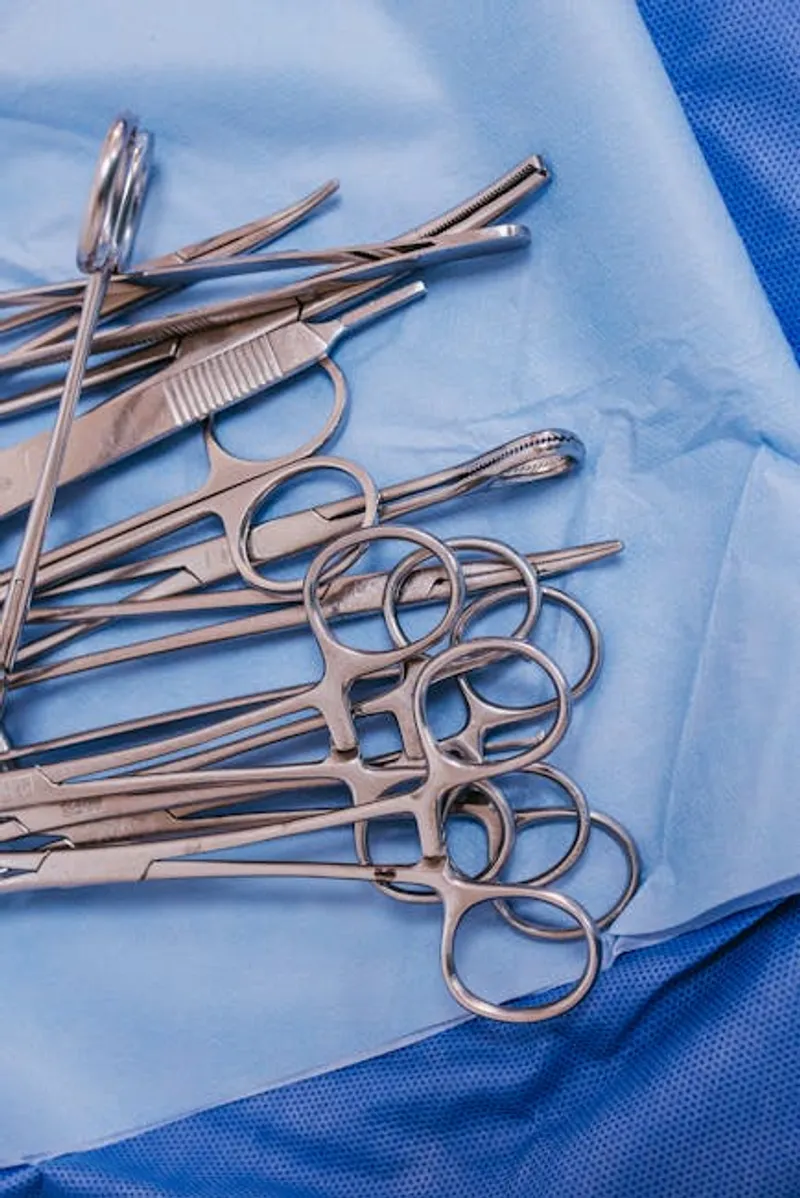
- What: Early CJD cases linked to reused neurosurgical instruments showed that standard sterilization could fail against prions, leading to stricter decontamination and instrument-handling protocols.
- Where: Hospitals, especially in neurosurgery.
- When: The 1970s and the years after, as guidance changed.
In the 1970s, a small number of patients developed Creutzfeldt-Jakob disease after neurosurgical procedures involving instruments that had previously been used on a patient whose illness had not yet been recognized. The cases were rare, but they forced hospitals and public health officials to confront an unsettling fact: standard sterilization methods were not always enough for prion contamination.
Why Prions Resisted Sterilization
The key problem was not ordinary infection-control failure in the usual sense. Creutzfeldt-Jakob disease, or CJD, is caused by prions, misfolded proteins that can persist in tissue and resist routine decontamination more than bacteria or viruses. In several widely cited historical incidents, contaminated neurosurgical instruments were considered the most likely route of transmission. Because the original patient had not been diagnosed at the time, the instruments were reused before anyone understood the risk.
That sequence mattered. A patient enters surgery. The instruments are cleaned and sterilized according to the standards of the era. They are used again. Only later does it become clear that the first case involved CJD. By then, the exposure chain may already have happened. The issue was not dramatic or visible in the operating room. It was procedural, hidden inside assumptions about what “sterile” meant.
CJD Instrument Decontamination Changes
Not every historical detail from these early cases is equally complete, and some reports were reconstructed after the fact. But the broader lesson became clear enough for health authorities worldwide: prions required a different response. Over time, guidance tightened. Hospitals adopted stricter protocols for instruments exposed to high-risk tissues, especially in neurosurgery. In some settings, that meant extended decontamination procedures using stronger chemical treatment, prolonged high-temperature processing, or even destruction of instruments that could not be reliably made safe.
The consequence was larger than the number of cases. These incidents helped change sterilization policy from a one-size-fits-all model to a risk-based one. A surgical tool that had touched certain tissues in a suspected prion case could no longer be treated like an ordinary reusable instrument. That was a major shift in hospital practice, and it came from learning that some biological agents do not behave like the ones medicine was already used to controlling.
Lasting Impact on Hospital Protocols
Today, prion decontamination guidance remains unusually strict for exactly that reason. The legacy of those 1970s transmissions is concrete: when hospitals suspect exposure to CJD-related tissue, routine sterilization alone is not considered enough, and instrument handling is planned around that hard-learned limit.
Did You Know?
Prion decontamination guidance is often stricter than routine sterilization because prions can survive some heat and chemical processes that usually kill bacteria and viruses.