
🎭 Fragments from the heart of civilization
Zora Neale Hurston's Grave Was Unmarked Until Alice Walker
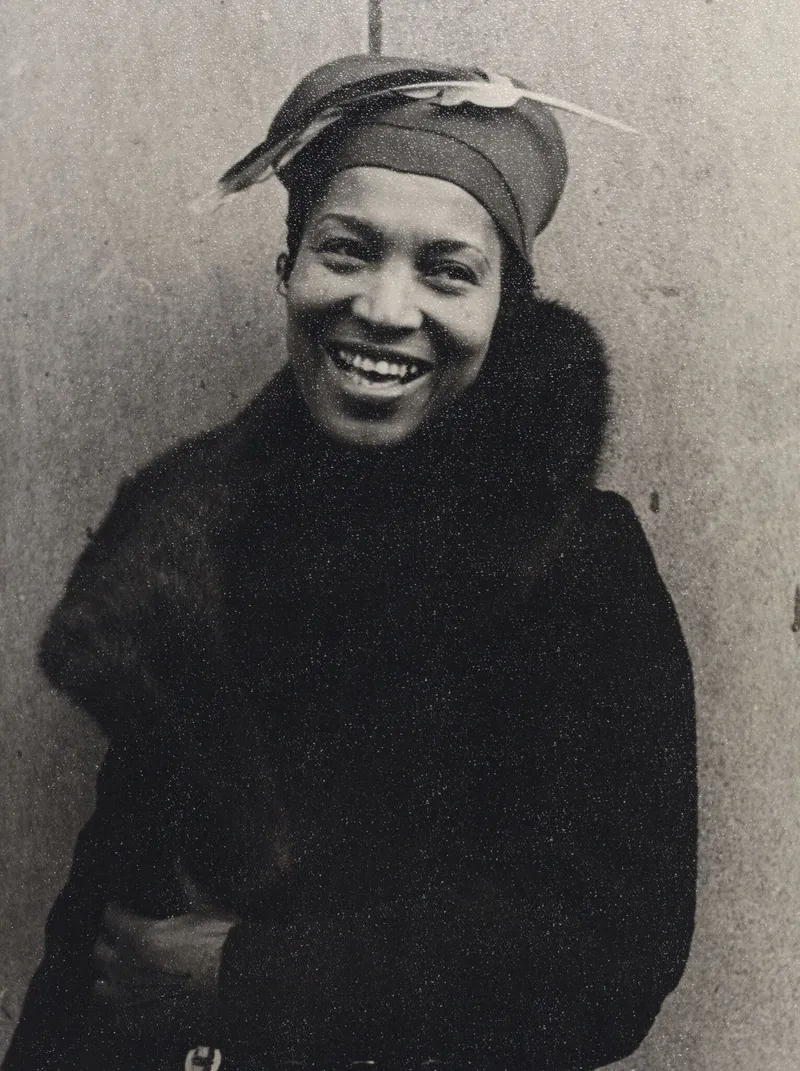
- What: Alice Walker helped revive Zora Neale Hurston’s legacy by finding her unmarked grave, arranging a gravestone, and publicizing Hurston’s overlooked importance as a major Black writer.
- Where: Fort Pierce, Florida, at Garden of Heavenly Rest Cemetery.
- When: After Hurston’s death in 1960, especially in 1973.
When Zora Neale Hurston died in 1960, she left behind novels, folklore collections, and some of the most important Black writing in American literature. She was buried in Fort Pierce, Florida, in an unmarked grave.
That fact would have been startling on its own. What made it sharper was who Hurston was: the author of Their Eyes Were Watching God, a central figure of the Harlem Renaissance, and a writer who documented Black life in the South with unusual precision and force. But by the time of her death, her books were largely out of print, her reputation had faded, and she died with very little money.
Alice Walker Finds Hurston’s Grave
Years later, Alice Walker went looking for her. In 1973, Walker traveled to Florida, located Hurston’s burial place at Garden of Heavenly Rest Cemetery, and arranged for a gravestone. The marker she installed identified Hurston as “A Genius of the South.” Around the same period, Walker published “In Search of Zora Neale Hurston” in Ms. magazine, reintroducing Hurston to a wide readership at a moment when many readers and scholars were newly asking which American voices had been neglected, excluded, or allowed to disappear.
How Hurston’s Reputation Returned
The recovery was not magic, and it was not the work of one gesture alone. Hurston’s revival came through reprinting, teaching, scholarship, and the labor of critics, editors, and readers who took her work seriously again. But Walker’s act was unusually literal. She did not just argue that Hurston mattered. She went to the cemetery, found the grave, and marked it.
That physical act mattered because neglect in literature is not only abstract. It shows up in missing editions, absent syllabi, and disappearing names. In Hurston’s case, it also showed up in the ground itself. Restoring her grave became part of restoring her place in American letters.
Zora Neale Hurston’s Legacy Today
Today, Hurston is widely read in schools and universities, and Their Eyes Were Watching God is treated as a major American novel. The contrast is hard to miss: a writer once buried without a marker is now firmly placed in the canon. In Fort Pierce, Florida, that change became visible in stone before it became standard in classrooms.
Did You Know?
Hurston’s 1937 novel Their Eyes Were Watching God is now considered a key work.