
⚙️ Traces from the dawn of innovation
MP3 Player Shuffle Was Engineered to Feel More Random
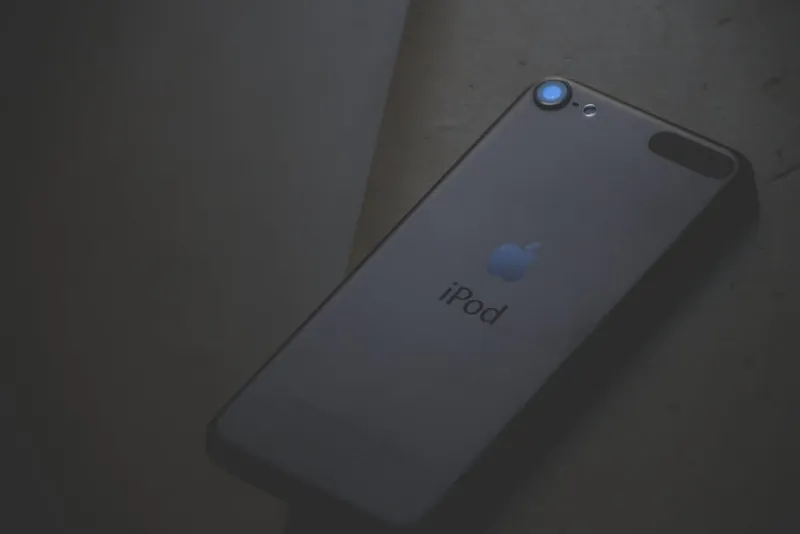
- What: Some MP3 players used engineered shuffle settings that reduced back-to-back songs by the same artist because true randomness often felt wrong to listeners.
- Where: On digital music players and iPods.
- When: Especially in the mid-2000s.
The shuffle mode on some MP3 players was not purely random. Engineers deliberately adjusted it because listeners kept hearing patterns they hated, especially back-to-back songs by the same artist, and concluded that the shuffle was broken.
Why True Randomness Feels Wrong
That sounds backwards at first. If shuffle is supposed to be random, why change it? Because true randomness often does not feel random to people. In a genuinely random sequence, clumps happen. Two songs by the same artist can land next to each other. The same album can appear twice in a short stretch. Statistically, that is normal. To a listener, it feels wrong.
This problem became especially visible in the iPod era, when large digital music libraries made shuffle a daily feature instead of a novelty. Apple publicly addressed the issue in the mid-2000s. The company said it changed its shuffle behavior to make songs by the same artist or from the same album less likely to play close together. The goal was not stricter randomness. The goal was a result people would accept as random.
How Engineers Changed Shuffle
A simple example shows why. Imagine loading hundreds of tracks onto a player and hitting shuffle during a commute. If three songs from one artist show up unusually close together, many users assume the software is repeating itself or favoring that artist. They are not usually thinking about probability. They are judging the experience. So engineers started designing shuffle systems that spread songs out more evenly, smoothing over the awkward streaks that true randomness naturally creates.
Random vs Feels Random
The misconception is that “random” and “feels random” are the same thing. They are not. In consumer technology, those can be opposite goals. A perfectly random sequence can look suspicious, while a carefully managed sequence can feel fairer and more convincing.
That is the concrete implication of engineered shuffle: when a music player avoids two songs by the same artist appearing back to back, it may be doing exactly what it was designed to do. It is not always generating a pure lottery. It is often delivering a listening order shaped to match human expectations of what randomness should sound like.
Did You Know?
Apple added an option to shuffle by album in iTunes, reflecting the same effort to make random playback feel less awkward.