
🌿 Stories carved by wind and water
Virginia Eelgrass Restoration Reshaped Coastal Bays
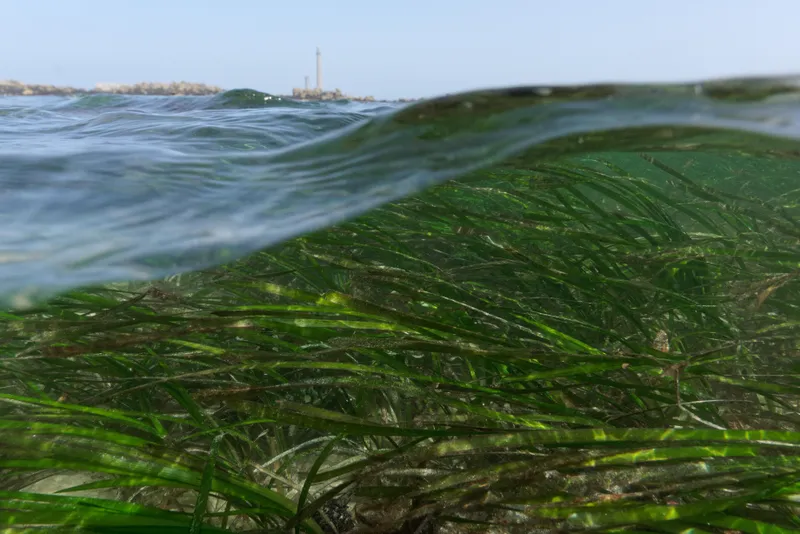
- What: Virginia’s eelgrass restoration expanded from repeated seed plantings into more than 3,500 hectares of underwater meadow that helps clear water, stabilize sediments, and support bay scallops.
- Where: Virginia’s coastal bays on the Atlantic coast.
- When: Restoration began in the late 1990s.
In Virginia’s coastal bays, eelgrass restoration that began in the late 1990s has expanded into underwater meadows covering more than 3,500 hectares. What started as repeated seed plantings became a habitat large enough to change how parts of these bays function.
Eelgrass Recovery and Water Clarity
The turning point was simple in theory and slow in practice. If enough eelgrass could survive in the sediment and spread, it would begin to calm the water near the bottom, trap particles, and make conditions more favorable for more eelgrass. That is what gradually happened. As the meadows grew, they helped stabilize sediments that had been easily stirred up. Clearer water then allowed more sunlight to reach the bay floor, which eelgrass needs to survive.
This kind of restoration is not a quick fix, and it did not happen because one planting instantly solved the problem. Eelgrass had declined severely in Virginia’s coastal bays decades earlier. Rebuilding it required years of seed collection, seeding, and monitoring. The result was not just more plants. It was the return of structure to places that had lost it: blades that slowed currents, sheltered small animals, and changed the physical conditions of the seafloor.
Bay Scallops and Seagrass Habitat
That shift mattered for species tied to seagrass habitat, including bay scallops. Scallops use eelgrass meadows as refuge and nursery ground, so the return of dense vegetation created conditions that could support them again. Their reappearance was not separate from the grass recovery; it was one of the clearest signs that the habitat itself was functioning differently.
Restoration Thresholds in Coastal Bays
The larger insight is that restoration can cross a threshold. At small scales, planted patches remain vulnerable. At larger scales, the habitat starts reinforcing its own survival by improving water clarity and bottom stability around it. In Virginia, that feedback turned restoration from a repeated intervention into something closer to a self-sustaining system.
The concrete result is visible below the surface of Virginia’s Atlantic coastal bays: thousands of hectares of eelgrass now hold sediment in place and provide habitat that was missing for generations, including the kind bay scallops need to return.
Did You Know?
Eelgrass can reproduce not just by seeds but also by spreading through underground rhizomes.