🌿 Stories carved by wind and water
Henry David Thoreau's Wildness Quote and Its Lasting Power
In wildness is the preservation of the world
- Who: Henry David Thoreau.
- Where: In his essay Walking.
- When: Published in 1862.
- Why: The line mattered because it argued that wild nature was necessary and became a lasting slogan for wilderness preservation and conservation.
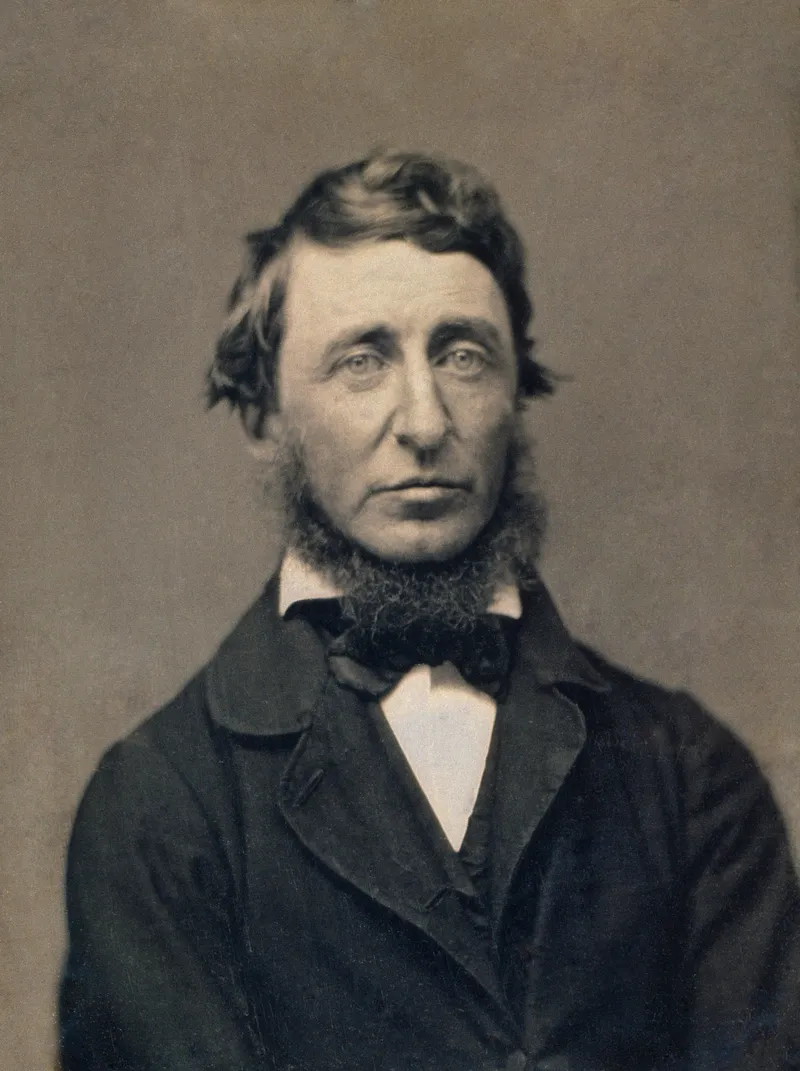
“In wildness is the preservation of the world” comes from Henry David Thoreau’s essay Walking, published in 1862. The sentence is now often detached from its source, but it mattered because it was not just a lyrical line about scenery. Thoreau was making an argument about what modern life was in danger of losing.
Meaning of Thoreau’s Wildness Quote
In Walking, Thoreau set “wildness” against the pressures of settlement, routine, and a culture increasingly organized around usefulness. He did not mean simple chaos. He meant something less domesticated: the untamed force of nature, and a corresponding freedom in human life. The line worked because it compressed that whole argument into eight words. “Preservation” gave it unusual weight. Thoreau was not saying wild places were pleasant or inspiring, though he believed that too. He was saying they were necessary.
That wording helped the sentence travel. Mid-19th-century America was expanding rapidly, clearing land, building infrastructure, and turning more of the landscape into property and resource. In that setting, Thoreau’s line sounded like a correction. It challenged the assumption that progress meant bringing everything under control. Its force came from reversal: what looked useless or unproductive might be exactly what keeps a society alive, morally and materially.
How the Quote Shaped Conservation
The quote endured because later readers could use it far beyond the essay. Wilderness preservationists found in it a practical slogan for protecting land. That later use mattered. A literary idea became a public argument. The sentence could appear in speeches, campaigns, and conservation writing because it joined two things that are often separated: emotional attachment to wild landscapes and a clear claim that they must be kept intact.
It also resonated because it was broad without being empty. “The world” could mean the natural world under pressure, but also human civilization under strain. That ambiguity gave the line range. People concerned with forests, mountains, and public lands could cite it directly. So could readers worried that industrial society was narrowing human experience. Few sentences carry both meanings so compactly.
Why the Quote Still Endures
That is why the line is still remembered. Not because Thoreau wrote a beautiful sentence in isolation, but because Walking supplied a durable framework: wildness is not the leftover space after development. It is something worth preserving because it does preserving in return. That idea helped move the quote from the page into the language of wilderness protection, where it still serves as a concrete defense of keeping some landscapes truly wild.
Did You Know?
The quote is often detached from its source, even though it originated in Walking.